
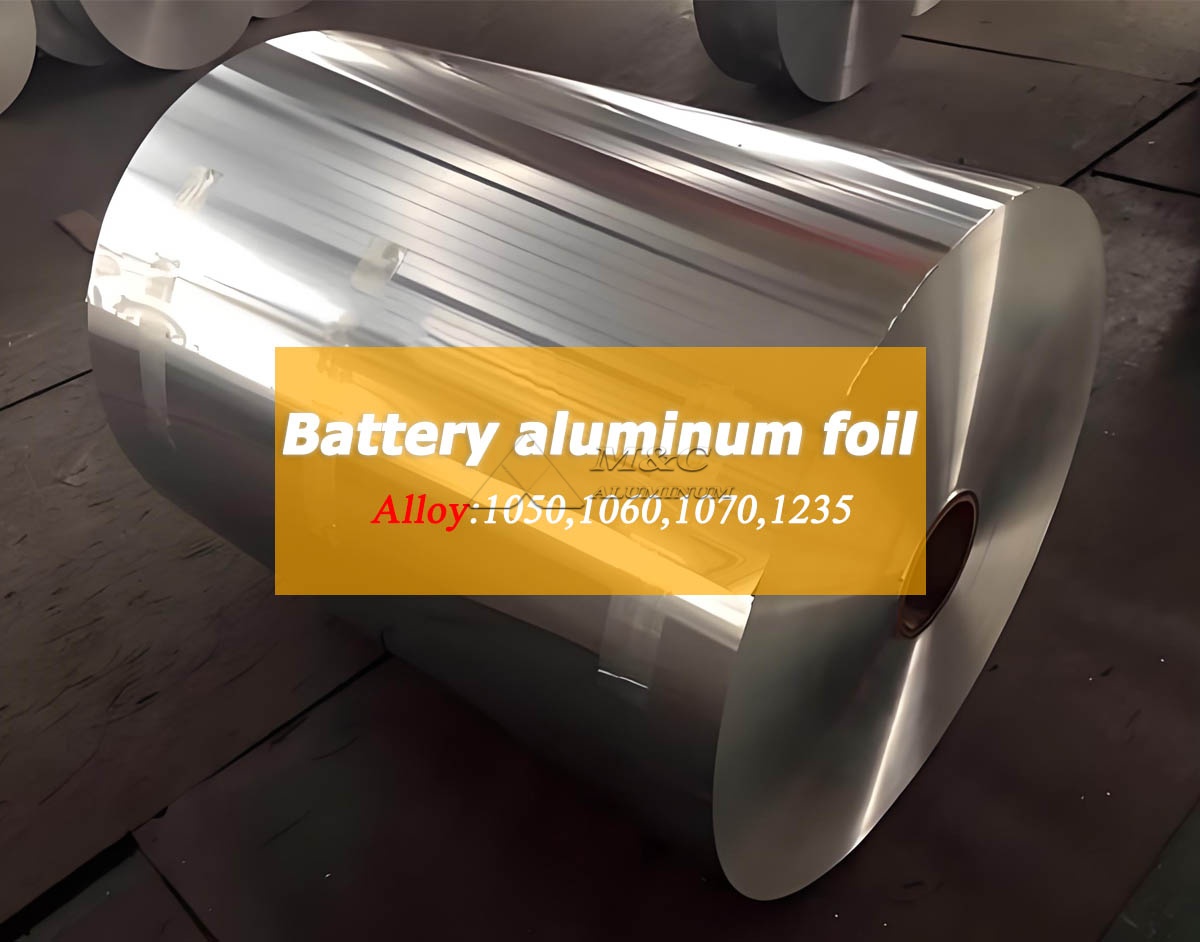
As a manufacturer of rolled aluminum products, we produce 1235 battery aluminum foil for lithium-ion battery cathode current collector applications. This foil is engineered for stable thickness, clean surface condition, consistent mechanical properties, and reliable processing performance during electrode coating, calendaring, slitting, and cell assembly.
1235 aluminum alloy contains not less than 99.35% aluminum. Its high electrical conductivity, low density, good ductility, and corrosion resistance make it a widely used material for cathode current collectors in lithium-ion batteries. Our production process is designed to support battery material manufacturers, electrode producers, and power battery factories that require stable coil quality and controlled technical documentation.
What Is 1235 Battery Aluminum Foil?
1235 battery aluminum foil is a thin-gauge aluminum foil manufactured from 1235 alloy and primarily used as the positive electrode current collector in lithium-ion batteries. During battery operation, the aluminum foil collects and transfers current from the cathode active material to the external circuit.
Compared with ordinary industrial aluminum foil, lithium-ion battery aluminum foil requires stricter control of thickness tolerance, surface cleanliness, pinhole condition, edge quality, coil profile, and tensile consistency. These characteristics influence the uniformity of cathode coating and the efficiency of downstream processing.
We manufacture 1235 battery aluminum foil through controlled melting, casting, hot rolling, cold rolling, intermediate annealing, final rolling, slitting, inspection, and packing. Each production stage is managed to reduce variation between coils and between production lots.
For customers requiring base foil for battery applications, our 1235 Aluminum Foil range can be supplied according to customized thickness, width, temper, inner diameter, and coil weight requirements.
Why 1235 Alloy Is Used for Battery Current Collectors
The positive electrode environment in a lithium-ion battery requires a material that offers good electrical performance and chemical stability at typical cathode operating voltages. Aluminum is commonly selected for this purpose, while copper foil is generally used for anode current collectors.
1235 alloy provides several practical advantages for battery foil production:
High aluminum purity supports good electrical conductivity.
Good elongation allows stable processing during electrode preparation.
Fine rolled structure supports uniform coating application.
Low density helps reduce inactive material weight in battery cells.
Good corrosion resistance supports use with common cathode systems.
Consistent surface quality assists adhesion of conductive coatings and active materials.
The final suitability of 1235 battery aluminum foil depends not only on alloy composition, but also on rolling control, annealing practice, degreasing condition, surface tension, and inspection standards. For this reason, we treat battery foil as a controlled functional substrate rather than a general-purpose aluminum foil product.
Technical Parameters of 1235 Battery Aluminum Foil
The following parameters represent commonly supplied ranges. Final specifications are confirmed according to the customer's electrode design, coating process, slitting equipment, and battery application.
| Item | Typical Specification | Notes |
|---|---|---|
| Alloy | 1235 | Aluminum content not less than 99.35% |
| Temper | H18, H19, O | Selected according to coating and processing requirements |
| Thickness | 0.010 mm to 0.030 mm | Common battery grades include 0.012 mm, 0.015 mm, 0.016 mm and 0.020 mm |
| Thickness tolerance | Custom controlled | Available according to order specification |
| Width | 100 mm to 1650 mm | Slit coils available for electrode production lines |
| Coil inner diameter | 150 mm, 300 mm, 500 mm, 505 mm | Customized cores available upon request |
| Coil outer diameter | According to coil weight | Matched to customer unwinding equipment |
| Coil weight | 100 kg to 1000 kg or customized | Depends on width, thickness, and handling method |
| Surface | Mill finish, degreased, coating-ready | Clean and uniform surface condition |
| Surface treatment | Bare foil or carbon coated | Carbon coating available for selected battery designs |
| Pinhole control | Inspected according to agreed standard | Evaluated based on thickness and application |
| Edge condition | Trimmed, burr controlled | Suitable for precision slitting and winding |
| Packaging | Moisture-resistant export packaging | Protection during sea, rail, or air shipment |
Manufacturing Process and Quality Control
Our 1235 battery aluminum foil manufacturing process begins with controlled aluminum melt preparation. Chemical composition is checked before casting to ensure conformity with the required 1235 alloy standard. The cast material then undergoes hot rolling and multiple cold rolling stages to reach the target foil gauge.
Intermediate annealing is applied where required to restore workability and stabilize the metal structure. Final rolling is performed with carefully managed rolling oil, roll surface condition, tension, and thickness measurement. These controls are essential for producing thin battery aluminum foil with stable gauge across the strip width and coil length.
After rolling, the foil is slit to the specified width. During this process, we monitor edge burr, telescoping, coil tightness, and winding alignment. Finished coils are inspected before packing to verify dimensional consistency and surface quality.
Our routine quality control can include:
Chemical composition verification.
Thickness measurement across strip width.
Width and edge inspection.
Tensile strength and elongation testing.
Surface cleanliness and rolling oil residue assessment.
Pinhole inspection where specified.
Coil profile, telescoping, and winding quality checks.
Packaging and identification verification.
Each coil can be marked with traceable production information, including alloy, temper, thickness, width, coil number, net weight, and production batch. This traceability supports material control for battery electrode manufacturers and quality teams.
Surface Requirements for Electrode Coating
Surface condition is one of the most important factors in 1235 battery aluminum foil. The foil surface must support consistent application of cathode slurry, which may contain active material, conductive additives, binder, and solvent. If surface contamination, uneven rolling marks, poor wettability, or excessive residual oil are present, coating uniformity and adhesion may be affected.
We supply clean, coating-ready battery aluminum foil based on agreed surface requirements. For some applications, carbon coated aluminum foil is selected to improve contact characteristics between the current collector and the cathode coating layer.
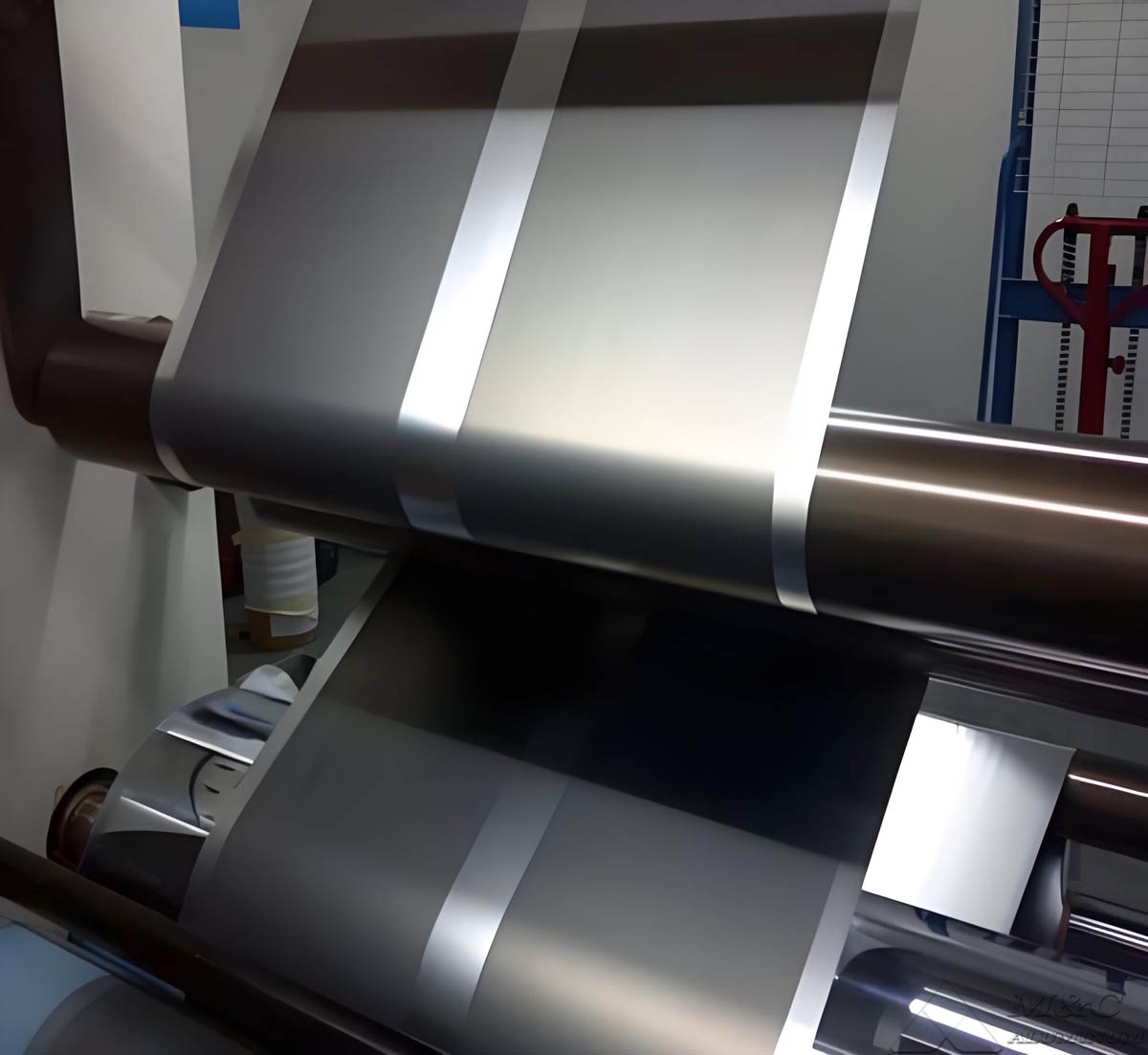
Carbon coated aluminum foil can be used in battery systems where lower interfacial resistance, improved coating adhesion, or enhanced electrode consistency is required. The coating type, coating weight, and surface properties should be selected according to the customer's battery chemistry and production process.
Applications of 1235 Battery Aluminum Foil
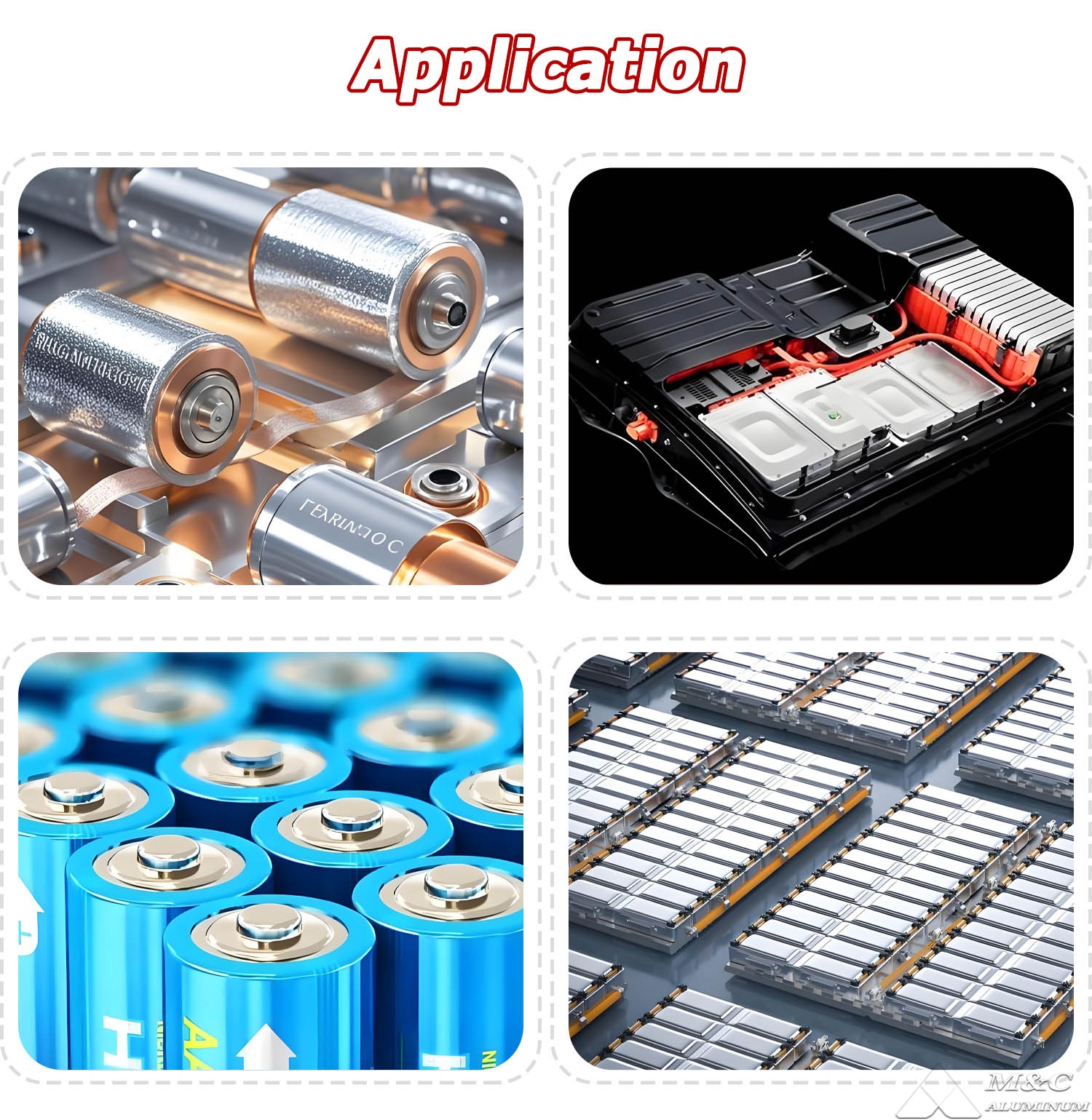
Our 1235 battery aluminum foil is used mainly as cathode current collector foil in rechargeable battery manufacturing. Depending on the selected thickness, temper, surface condition, and coating configuration, it can support a range of battery products.
Typical applications include:
Lithium-ion batteries for electric vehicles.
Power batteries for buses, trucks, and energy storage systems.
Consumer electronics batteries.
Cylindrical, prismatic, and pouch cells.
Lithium iron phosphate battery systems.
Nickel manganese cobalt cathode battery systems.
Stationary energy storage batteries.
Carbon coated cathode current collector applications.
For battery manufacturers, the foil specification should be selected together with electrode coating thickness, active material loading, calendering pressure, cell design, and target energy density. Our technical team works with customers to define suitable base foil parameters before volume production.
How to Select the Right Battery Aluminum Foil
When selecting 1235 battery aluminum foil, purchasers should not evaluate the product by thickness alone. A suitable foil must match the operating and processing conditions of the battery production line.
Important selection factors include:
Thickness and tolerance: Thin foil can reduce cell weight, but it requires higher control during coating, calendaring, and winding.
Temper and mechanical properties: The chosen temper should provide the necessary strength while maintaining stable processing performance.
Surface cleanliness: Coating-ready foil should have controlled residual rolling oil and a uniform surface condition.
Width and coil configuration: Coil dimensions should match the coating line, slitting line, and unwinding equipment.
Edge quality: Controlled burr and stable slitting edges help reduce processing risks during electrode manufacturing.
Carbon coating requirement: Carbon coated aluminum foil may be appropriate when the battery design requires improved electrical contact or coating performance.
Inspection and documentation: Material certificates, coil labels, test records, and batch traceability should be agreed before shipment.
In addition to 1235 alloy, some applications may evaluate alternative foil grades based on mechanical strength or processing needs. For example, 3003 Aluminum Foil may be considered for applications requiring a different balance of strength and formability.
Packaging and Export Supply
As a battery aluminum foil manufacturer, we prepare export packaging to protect thin-gauge coils from moisture, dust, deformation, and handling damage. Coils are typically wrapped with protective materials, supported on suitable pallets or frames, and secured for international transport.
Packaging details can be adapted to customer requirements, including vertical or horizontal coil orientation, pallet size, fumigation requirements, container loading plan, and label format. For battery material projects, we recommend confirming packaging and storage conditions early in the procurement process, especially for wide coils or high-value coating-ready foil.
Conclusion
1235 battery aluminum foil is a key functional material for lithium-ion battery cathode current collectors. Its value lies in controlled composition, precise thickness, uniform surface quality, stable mechanical properties, clean edges, and reliable coil handling performance.
Our factory supplies 1235 battery aluminum foil in customized dimensions and surface conditions for battery electrode production. By controlling the process from alloy preparation through final inspection and export packaging, we provide consistent aluminum foil substrates for customers manufacturing power batteries, energy storage cells, and consumer lithium-ion batteries.