
Product Overview
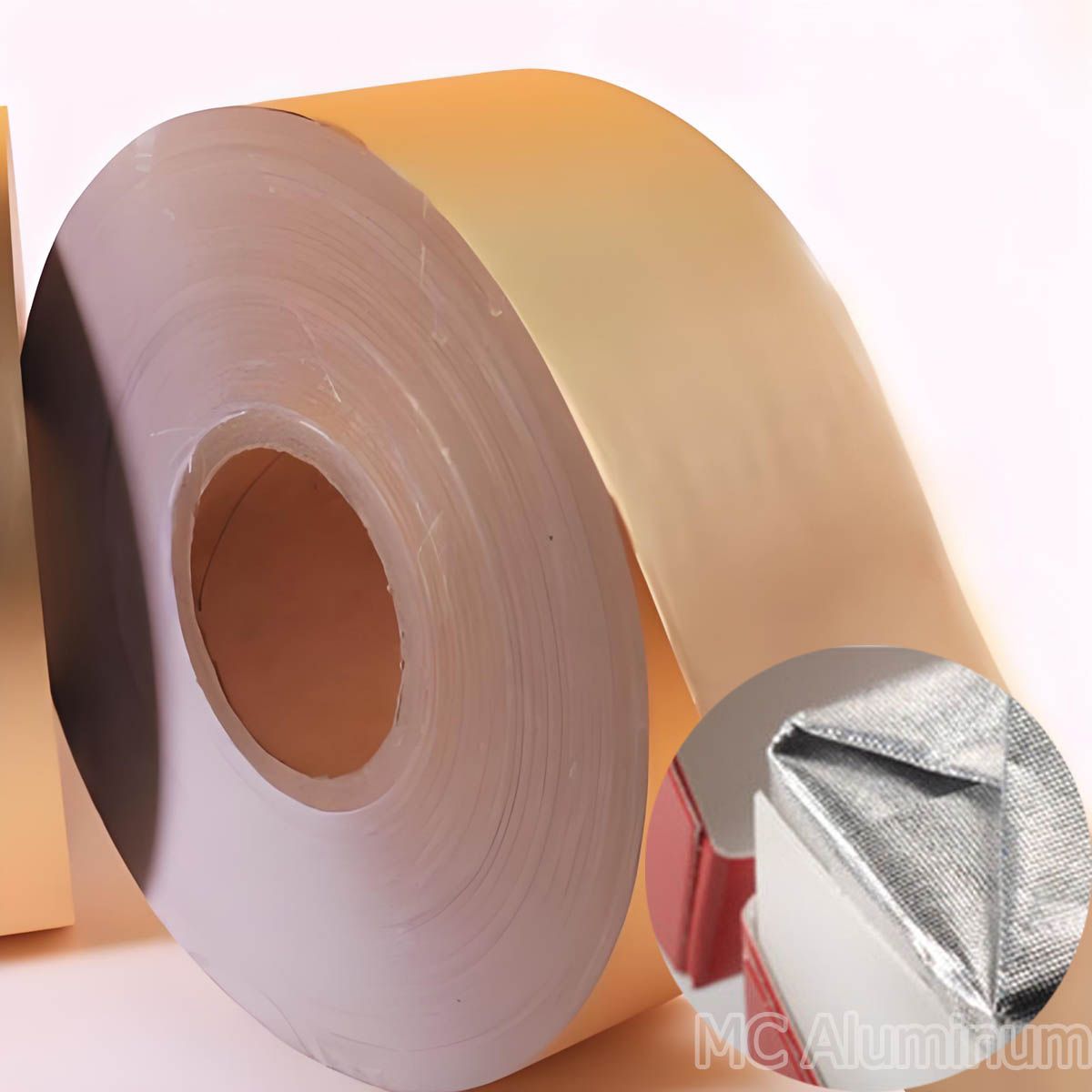
Cigarette aluminum foil (tobacco foil) is a critical material used in cigarette inner liner packaging. Its primary functions include moisture protection, aroma preservation, and enhancing the overall packaging quality.
Typically, cigarette foil is a laminated structure composed of an aluminum foil layer and paper. The aluminum layer is extremely thin, usually 0.006 mm–0.007 mm, classified as double zero foil.
High-end cigarette packaging commonly uses 8011 aluminum foil or 1235 aluminum foil as the base material.
What is Double Zero Foil?
"Double zero aluminum foil" refers to aluminum foil with a thickness of less than 0.01 mm (typically 0.006–0.009 mm).
In tobacco packaging, "double-zero" aluminum foil is typically laminated with paper or film to form an "aluminum foil liner" or "composite liner material," which is used for the inner packaging of cigarettes and comes into direct contact with the tobacco sticks. The surface of this foil is smooth and blemish-free, its sheet profile is flat and uniform, it exhibits a low pinhole count, and it offers relatively low production costs combined with stable chemical properties.
Typical Alloys and Temper
Alloys:
1235 aluminum alloy foil: High purity, excellent softness, mainstream choice
8011 aluminum alloy foil: Slightly higher strength, suitable for premium applications
Temper:
O temper (annealed): Soft, ideal for lamination and forming
Core Functions in Cigarette Packaging
1. Moisture Barrier & Freshness Preservation
Cigarettes are highly sensitive to humidity. Double zero foil reduces water vapor transmission to <0.1 g/m²·24h, maintaining flavor and quality.
2. Light Shielding & Oxidation Resistance
Aluminum foil has a reflectivity of >90%, effectively blocking UV and visible light, slowing down oxidation and preserving tobacco aroma.
3. Anti-Counterfeiting & Traceability
Security printing: Special patterns or laser engraving
RFID integration: Enables tracking and authentication in premium packaging
4. Anti-Static & Conductivity
The conductive nature of aluminum prevents static buildup and improves fire safety in packaging environments.
5. Eco-Friendly & Recyclable
Modern double zero foil uses recyclable aluminum and eco-friendly coatings, aligning with global sustainability trends.
Technical Specifications
| Alloy | 1235 / 8011 |
| Temper | O |
| Thickness | 0.006 – 0.009 mm |
| Width | 50 – 800 mm (Typical: 100–500 mm) |
| Outer Diameter | 300 – 800 mm |
| Core ID | 76 mm / 152 mm |
| Tensile Strength | 40 – 90 MPa |
| Elongation | ≥ 1.0% |
| Bending | No cracks |
| Surface | One side bright / one side matte |
| WVTR | ≈ 0 (excellent barrier) |
| OTR | ≈ 0 |
| Surface Tension | ≥ 32 dyn/cm |
| Coil Weight | 100 – 500 kg |
Industry Applications
Tobacco Packaging (primary application)
Pharmaceutical Packaging (bottle caps, blister foil)
Food Packaging (tea, coffee sealing materials)
Production Process
1. Melting & Casting
High-purity aluminum is melted and cast into slabs (6–8 mm thickness).
2. Cold Rolling
Thickness is reduced to ~0.1 mm through multi-pass rolling.
3. Foil Rolling (Key Process)
Due to extreme thinness, double rolling (doubling) is used—two layers rolled together to prevent breakage.
4. Slitting
Foil layers are separated and slit into required widths.
5. Final Annealing
Performed in controlled atmosphere to:
Remove rolling oil
Improve softness
Ensure cleanliness and odor-free surface
Quality Control for Cigarette Foil
1. Pinhole Control: The thinner the aluminum foil, the higher the probability of pinhole (microscopic pore) formation. For tobacco foil, the standards regarding both the quantity and diameter of pinholes are exceptionally rigorous, as an excessive number of pinholes directly compromises its barrier properties.
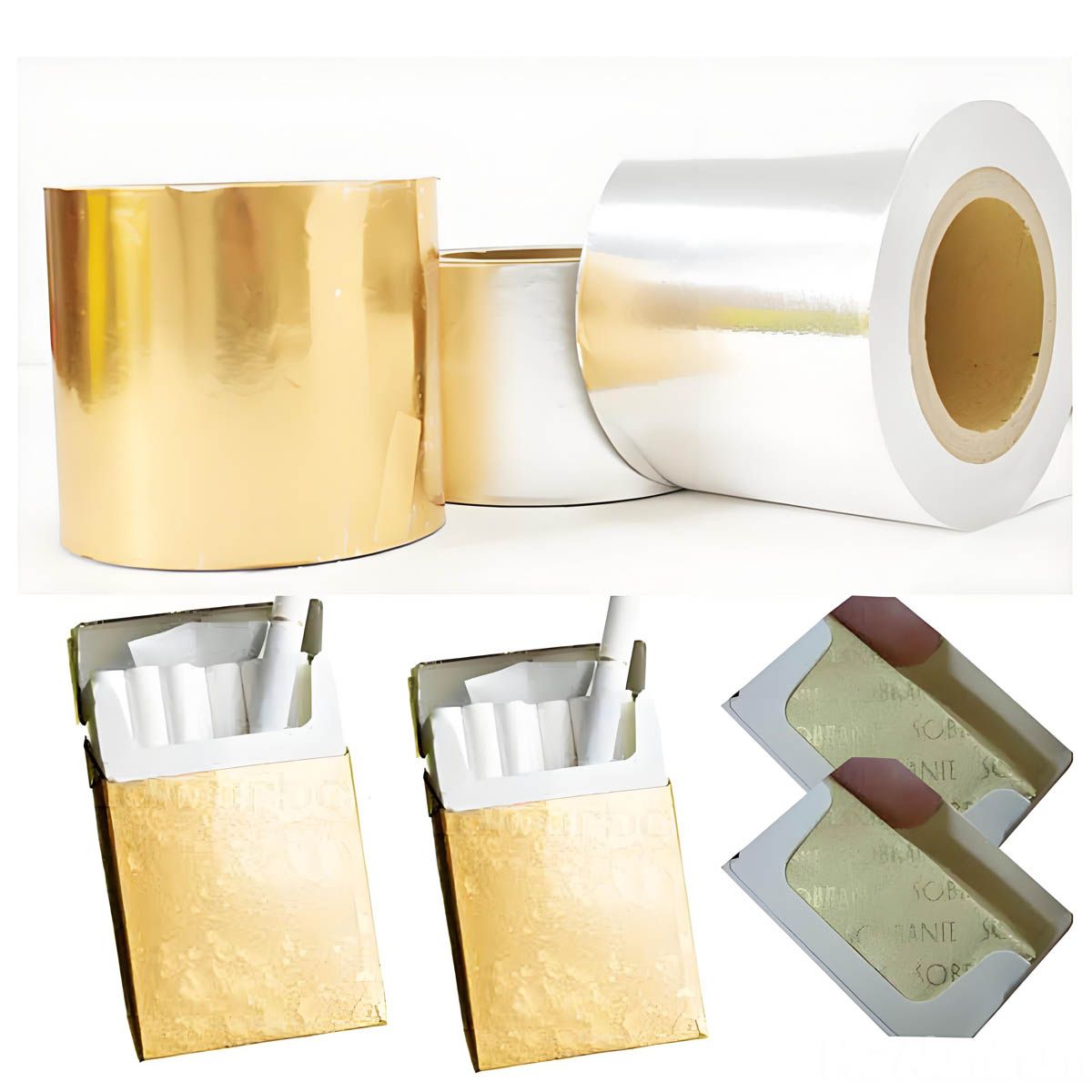
2. Surface Quality: Tobacco foil undergoes subsequent processing steps such as printing, embossing, or coloring (e.g., the commonly seen gold and silver finishes). Consequently, the aluminum foil surface must be clean, smooth, free of oil stains and wrinkles, and possess adequate surface wettability.
3. Mechanical Properties: Even in its extremely thin state, the aluminum foil must retain sufficient tensile strength and elongation to prevent breakage during high-speed lamination or packaging processes.