
With the rapid growth of the new energy industry, lithium-ion batteries, energy storage batteries, and sodium-ion battery technologies are continuously evolving. When evaluating battery performance, most people focus on cathode materials, anode formulations, and electrolyte technologies. However, one critical foundational material inside the cell is often overlooked: battery aluminum foil.
Although it may be as thin as a cicada’s wing, aluminum foil carries the entire cathode active material and plays a vital role in collecting and conducting electrons. Without high-quality aluminum foil, even the most advanced cathode materials cannot function properly.
Battery foil serves as the cathode current collector material in lithium-ion batteries. As the core component of electric vehicles, lithium-ion batteries operate by allowing lithium ions to move from the cathode to the anode through the electrolyte during charging. During discharge, electrochemical reactions occur between the cathode and anode, generating a voltage difference that drives an external load.
The reasons why aluminum foil is used as the cathode current collector and copper foil is used as the anode current collector in lithium-ion batteries include the following:
Excellent corrosion resistance: Aluminum foil naturally forms a dense oxide layer on its surface, helping prevent oxidation and corrosion by the electrolyte.
Suitability for high cathode potentials: The cathode of a lithium-ion battery operates at a relatively high potential. Copper can undergo lithium intercalation reactions under high-voltage conditions, while aluminum has a higher oxidation potential and is therefore more suitable for use as a cathode current collector.
Different behavior at low anode potentials: At the low potential of the anode, aluminum can form aluminum-lithium alloys. Therefore, copper foil is generally used as the anode current collector.
In addition to its role as a cathode current collector, aluminum foil can also be used in battery aluminum-plastic packaging films and aluminum tabs.
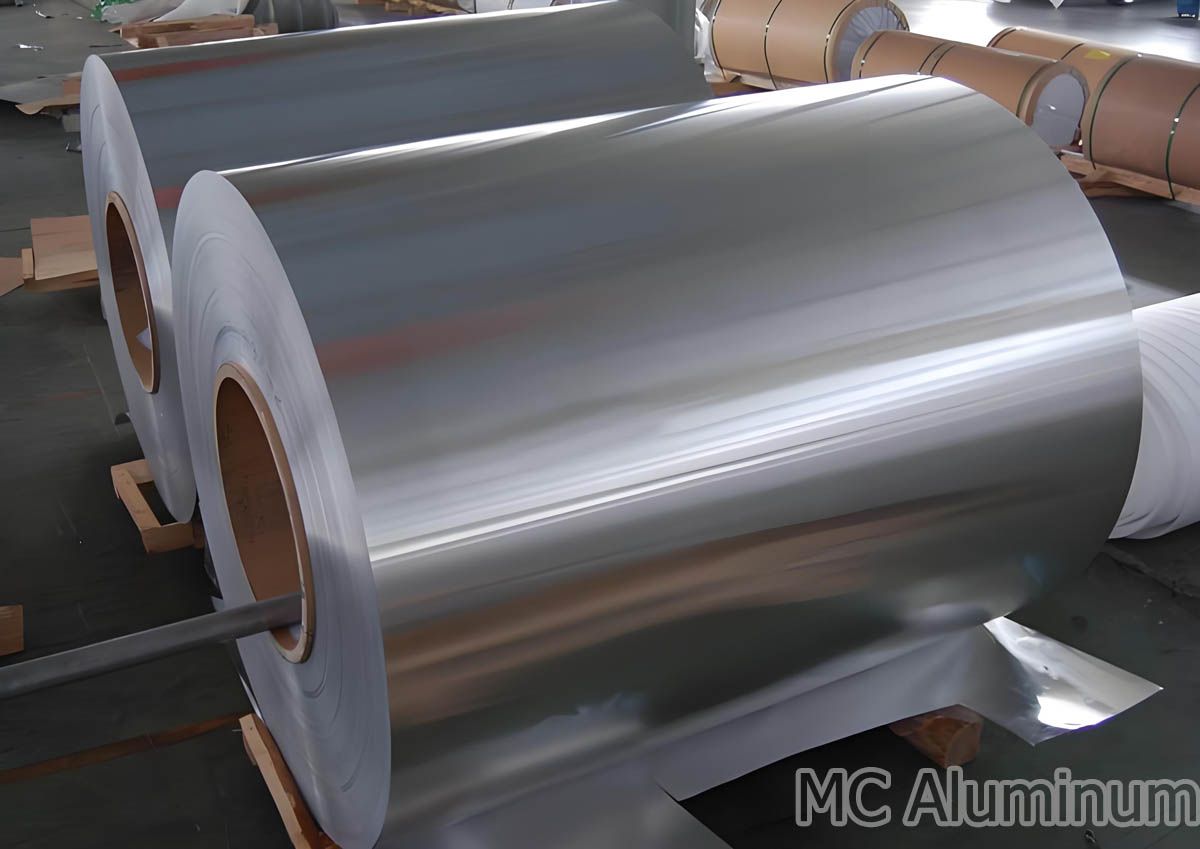
Mainstream Aluminum Foil Grades for Batteries
1235 Aluminum Foil
1235 aluminum foil offers strong stability and excellent corrosion resistance. It is suitable for power batteries and sodium-ion batteries.
1060 Aluminum Foil
1060 aluminum foil provides a balanced combination of performance and cost-effectiveness. It is widely used in energy storage batteries and general-purpose power batteries.
1070 Aluminum Foil
1070 aluminum foil features ultra-high purity and is suitable for high-voltage battery systems. It is commonly used in high-end smartphone and consumer electronics batteries.
In terms of thickness, different applications have relatively clear requirements:
High-end consumer electronics batteries: typically use 10–12 μm aluminum foil
Passenger EV power batteries: commonly use 12–15 μm aluminum foil
Energy storage and sodium-ion batteries: often use 18–20 μm aluminum foil
Why Aluminum Foil Is the Preferred Cathode Current Collector: Copper Foil Cannot Replace It
Battery industry professionals understand that copper foil is widely used as the anode current collector, while aluminum foil is generally required for the cathode. The two materials cannot be simply exchanged because of their different electrochemical properties.
Aluminum naturally forms a dense and stable aluminum oxide protective film on its surface. In the high-voltage environment of a lithium-ion battery cathode—typically around 3–4.5 V versus Li/Li+—this protective layer effectively resists electrolyte corrosion and helps maintain long-term structural and electrochemical stability.
By contrast, copper foil, nickel foil, and certain other metallic materials are prone to oxidation and corrosion in high-voltage cathode systems. This can introduce metal impurities and lead to increased self-discharge, rapid capacity fading, and eventual cell failure. As a result, these materials are generally unsuitable for use as cathode current collectors.
Lithium-Ion Battery Aluminum Foil Specifications
| Item | Specification |
| Alloy | 1060, 1070, 1235, etc. |
| Temper | H18, H24 |
| Thickness | 9–15 μm |
| Width | 100–1,600 mm |
| Length | 16,000 mm |
| Tensile Strength | ≥180–240 MPa |
| Elongation | ≥1.5%–3.0% |
| Surface Wetting Tension | ≥32–34 dyne/cm |
| Carbon Coating Thickness | 0.5–1.0 μm carbon layer on each side |
| MOQ | 3 tons |
Applications of Battery Aluminum Foil
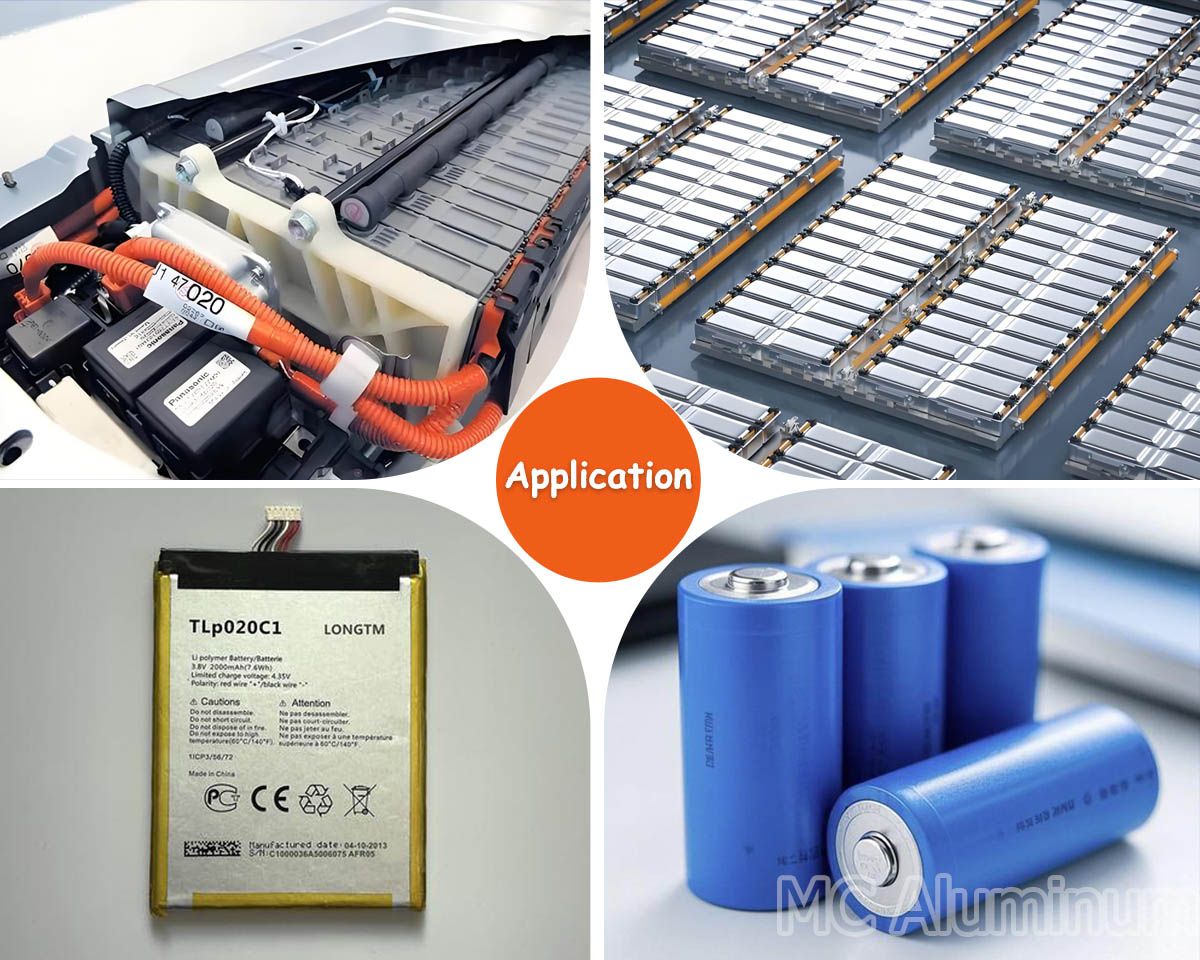
1. New Energy Vehicle Power Batteries (EV / PHEV)
In electric vehicle battery packs, both ternary lithium batteries such as NCM and NCA, as well as lithium iron phosphate batteries (LFP), use aluminum foil as the cathode current collector.
With the growing adoption of 4C and 6C fast-charging technologies, carbon-coated aluminum foil is becoming increasingly common in power batteries. It can significantly reduce internal heat generation during high-current charging and discharging.
2. Energy Storage Systems (ESS)
Large-scale grid energy storage batteries, including 314Ah and larger-capacity cells, are designed to achieve cycle lives of 15–20 years. High-purity, low-resistance battery aluminum foil helps ensure that the current collector interface remains stable after thousands of charge-discharge cycles.
3. Consumer Electronics and 3C Products
Smartphones, laptops, drones, and other compact electronic devices are extremely sensitive to space and weight. This demand has driven the development of ultra-thin battery aluminum foil, especially 9–10 μm products, allowing battery manufacturers to maximize energy density within limited cell volume.
4. Sodium-Ion Batteries and Solid-State Batteries
(1) Sodium-Ion Batteries
In sodium-ion batteries, the anode may no longer require expensive copper foil. Instead, aluminum foil can potentially be used on both the cathode and anode sides, significantly increasing aluminum foil consumption per cell.
(2) Solid-State and Semi-Solid-State Batteries
High-strength mesh or microporous aluminum foils are being widely researched to address interfacial contact stress associated with solid electrolytes.
Technology Frontier: Aluminum Foil Is Evolving
As battery performance requirements continue to increase, aluminum foil is evolving from a conventional material into a more functional and high-performance product.
Several development directions are receiving significant attention.
Carbon-Coated Aluminum Foil
Carbon-coated aluminum foil is produced by applying a conductive carbon coating to the surface of the aluminum foil. Its key functions include improving contact between the cathode material and the current collector, reducing interfacial resistance, enhancing coating adhesion, and improving rate capability and cycling stability to a certain extent.
For high-power, high-rate, and premium battery applications, carbon-coated aluminum foil is particularly attractive.
Ultra-Thin Aluminum Foil
Mainstream battery aluminum foil has evolved from approximately 15 μm toward 12 μm and even 10 μm. Thinner aluminum foil reduces current collector weight and improves space utilization inside the cell, making it an important pathway for increasing energy density.
However, industrial-scale production of ultra-thin aluminum foil is not easy. It requires aluminum foil manufacturers to have advanced rolling precision, tension control, online inspection capability, and yield management.
High-Strength Aluminum Foil
As aluminum foil becomes thinner, conventional materials often struggle to maintain both sufficient strength and adequate elongation. Therefore, high-strength and high-toughness aluminum foil has become an important research and development direction.
An ideal high-strength aluminum foil should maintain good processing adaptability while being thinner, avoiding brittleness that could increase manufacturing difficulties during coating, calendaring, slitting, and winding.
Composite Current Collectors
In addition to conventional metal foils, composite current collectors are another major area of industry interest. The basic concept is to combine a polymer base film with metallic coating layers, reducing weight while maintaining electrical conductivity and potentially improving certain safety characteristics.
However, composite current collectors still face challenges related to conductivity, durability, mass-production cost, equipment compatibility, and long-term reliability. In the short term, conventional aluminum foil will remain the mainstream solution. In the future, multiple current collector technologies may coexist.
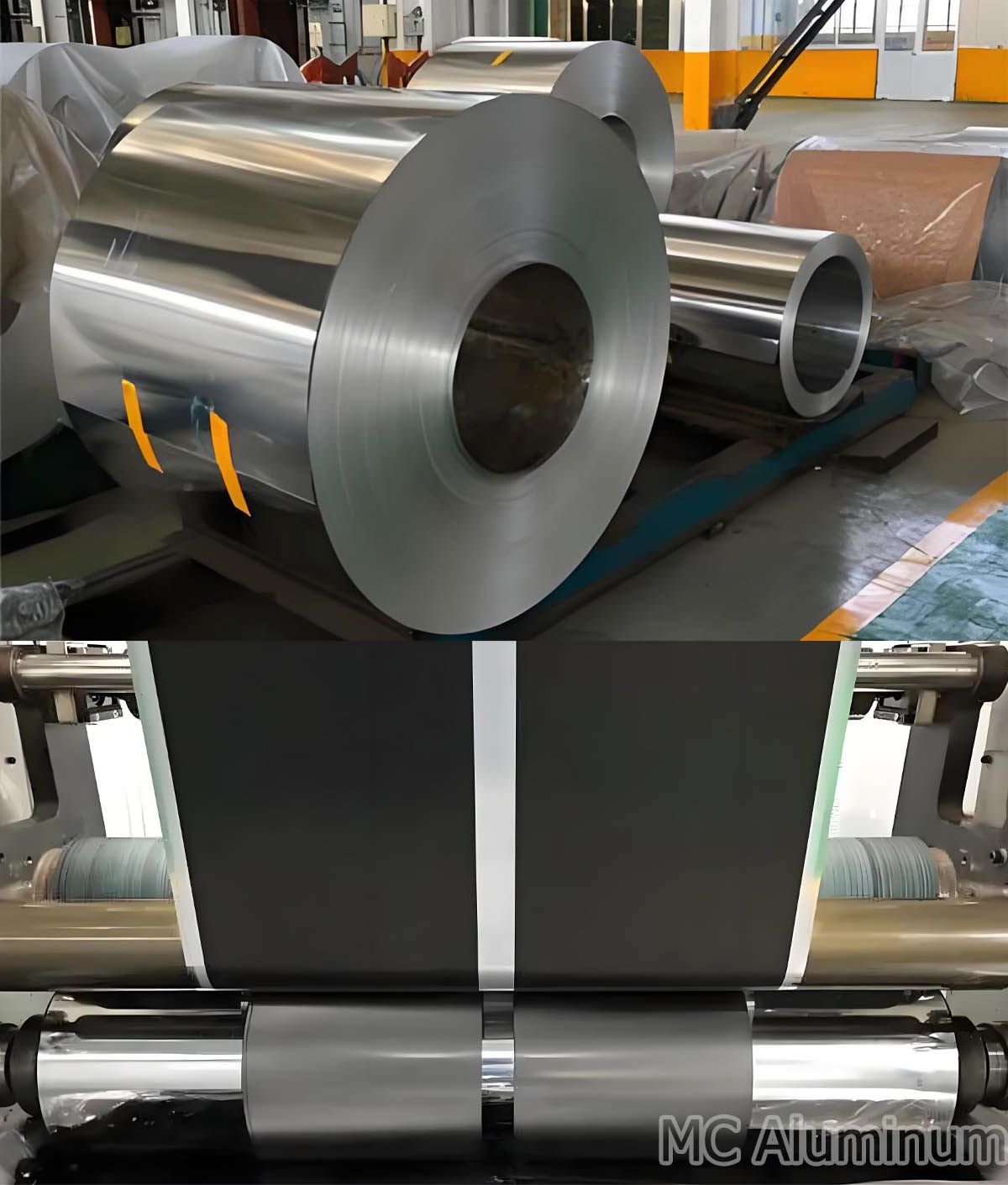
Strict Industry Standards for Battery-Grade Aluminum Foil
Ordinary household aluminum foil cannot meet battery manufacturing requirements. Aluminum foil for new energy batteries must satisfy demanding industry standards, including the following core indicators:
1. High-Purity Base Material
Aluminum purity should generally be at least 99.45%, with strict control of trace impurities such as iron, silicon, and copper to prevent adverse effects on battery performance.
2. Low Electrical Resistance
Low electrical resistance helps minimize conductive losses, supports high-current fast-charging conditions, and ensures stable rate performance.
3. Excellent Adhesion
The foil surface must have good wettability to ensure uniform cathode slurry coating and to reduce the risk of powder shedding, delamination, or poor coating adhesion.
4. Strong Mechanical Performance
Tensile strength and elongation must meet production requirements so that the foil can withstand all major manufacturing processes, including coating, calendaring, slitting, and winding.
5. Uniform Thickness and Clean Surface
Thickness variation must be tightly controlled. The foil surface should be free of oil stains, scratches, oxidation spots, and other defects in order to ensure cell consistency, production yield, and battery safety.