
As an aluminum foil manufacturer, we produce 8011 aluminum foil for food packaging, pharmaceutical packaging, cigarette packaging, household foil, container foil, and coated industrial applications. In actual production, the final performance of 8011 aluminum foil is not determined only by alloy chemistry, rolling thickness, and temper. Surface treatment is also a critical manufacturing step because it affects wettability, adhesion, corrosion resistance, printing quality, heat sealing performance, and downstream forming stability.
8011 aluminum foil belongs to the Al-Fe-Si alloy series. It has good strength, elongation, barrier performance, and process adaptability. For this reason, 8011 Aluminum Foil is widely used in flexible packaging, caps, insulation, household use, and heat exchanger fin stock. However, different end uses require different surface conditions. A foil used for cigarette inner liner must have controlled surface cleanliness and lamination adhesion, while hydrophilic aluminum foil for air conditioning fins requires stable water-spreading performance after coating and curing.
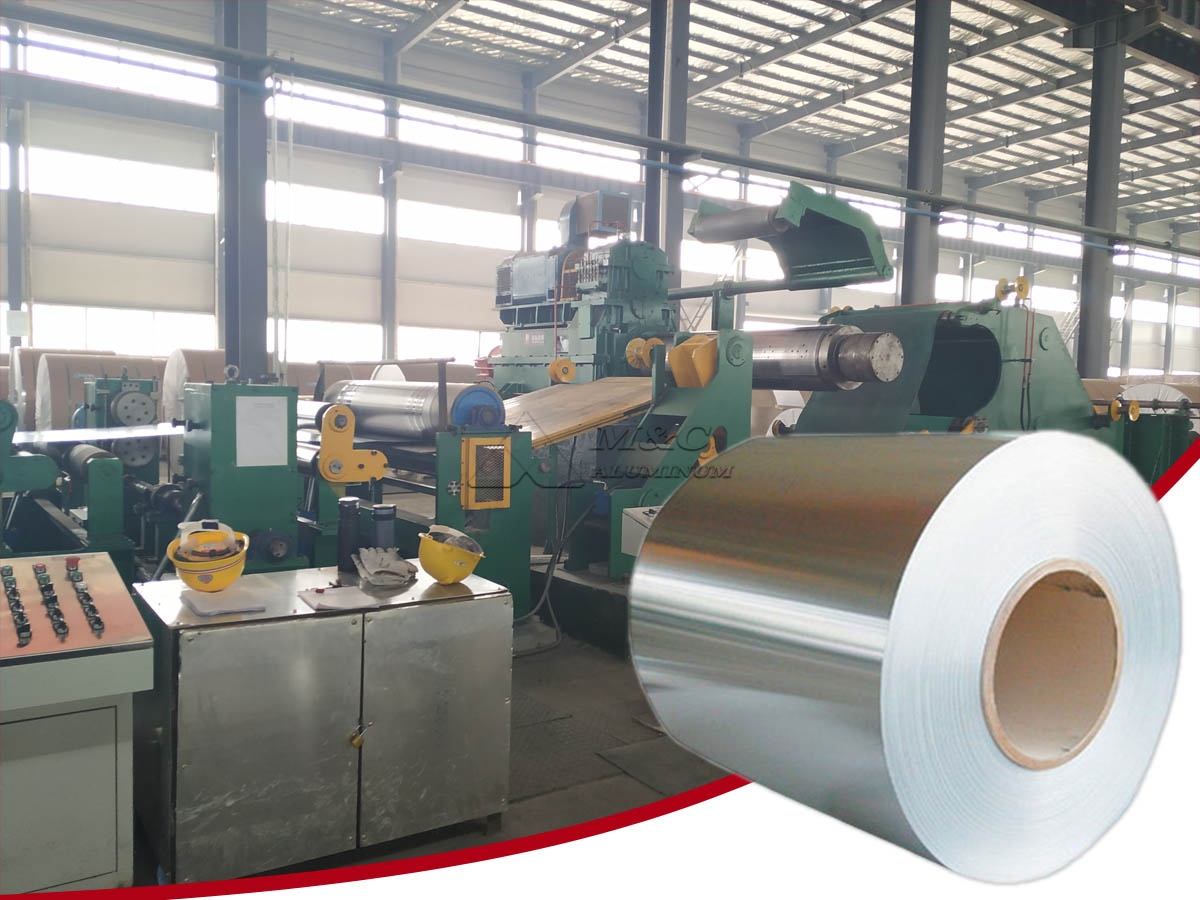
Why Surface Treatment Is Necessary for 8011 Aluminum Foil
During foil rolling, annealing, slitting, and storage, the aluminum surface may contain rolling oil residues, fine aluminum powder, natural oxide film, moisture, and slight surface tension variation. These factors are normal in metal processing, but they must be controlled before coating, printing, laminating, or heat sealing.
Surface treatment provides several engineering functions:
Improves coating adhesion between aluminum foil and lacquer, primer, ink, adhesive, or polymer film.
Adjusts surface energy for printing, lamination, or water-spreading performance.
Enhances corrosion resistance in humid, acidic, alkaline, or salt-containing environments.
Controls heat sealing strength for packaging structures.
Reduces pinhole-related risk in barrier packaging by supporting uniform coating coverage.
Improves production stability in high-speed converting lines.
In our factory, the selected surface treatment is confirmed according to application, thickness, temper, mechanical properties, surface side requirement, coating structure, and customer converting process.
Common Surface Treatment Types for 8011 Aluminum Foil
1. Degreasing and Surface Cleaning
Degreasing is the basic surface treatment for most 8011 aluminum foil products. It removes rolling oil, dust, and loose aluminum particles from the foil surface. Cleaning may be completed through high-temperature annealing, chemical cleaning, alkaline washing, or solvent-based cleaning, depending on product specification and downstream use.
For plain 8011 aluminum foil supplied for food packaging or household foil, clean surface condition is essential. Poor degreasing can cause ink shrinkage, adhesive failure, coating fisheyes, or uneven heat sealing.
Typical control points include residual oil, dyne value, water break test, surface color, and odor. For food-contact applications, cleaning materials and process residues must comply with applicable regulatory requirements.
2. Corona Treatment
Corona treatment is commonly used when 8011 aluminum foil needs improved surface energy before printing, coating, or laminating. A high-voltage discharge modifies the surface and increases wettability. This treatment is widely used in flexible packaging and composite structures.
Corona treatment is effective for improving the adhesion of inks, adhesives, and extrusion coatings. However, its effect may decrease over time, especially under high humidity or long storage conditions. Therefore, for high-reliability packaging, we recommend confirming the time interval between corona treatment and downstream converting.
Corona-treated 8011 aluminum foil is often specified by dyne level, typically measured immediately after treatment and after aging.
3. Chemical Conversion Treatment
Chemical conversion treatment forms a thin, controlled chemical layer on the aluminum surface. This layer can improve corrosion resistance and adhesion to organic coatings. Traditional chromate conversion has been used in some industrial applications, but chrome-free conversion systems are increasingly preferred due to environmental and regulatory requirements.
For 8011 aluminum foil, chemical conversion treatment is mainly used when the foil will be exposed to moisture, salt spray, acidic media, or demanding coating structures. It is also useful for fin stock, closure foil, and certain industrial laminates.
The process must be carefully controlled because excessive film weight may reduce flexibility or cause coating brittleness, while insufficient treatment may reduce corrosion resistance.
4. Primer Coating
Primer coating is applied to improve bonding between aluminum foil and top coatings, heat seal layers, printing inks, or plastic films. The primer may be epoxy, polyurethane, acrylic, polyester, or other resin systems selected according to the final laminate.
In production, primer coating quality depends on coating weight, viscosity, oven temperature, line speed, and surface cleanliness. For 8011 aluminum foil used in food packaging or cigarette packaging, stable primer adhesion is important for lamination strength, print clarity, and package appearance.
Cigarette Packaging Aluminum Foil normally requires strict control of surface flatness, pinholes, residual solvents, coating uniformity, and odor. Surface treatment must support high-speed printing and laminating without blocking, delamination, or ink transfer defects.
5. Hydrophilic Coating
Hydrophilic treatment is used mainly for aluminum fin foil in air conditioners, heat exchangers, and refrigeration equipment. The surface is coated with a hydrophilic resin system that allows condensed water to spread quickly instead of forming large droplets. This improves heat exchange efficiency, reduces noise from dripping water, and helps maintain airflow.
For 8011 hydrophilic aluminum foil, the coating must have good adhesion, corrosion resistance, alkali resistance, and thermal stability. It should also withstand stamping, fin forming, and long operating cycles.
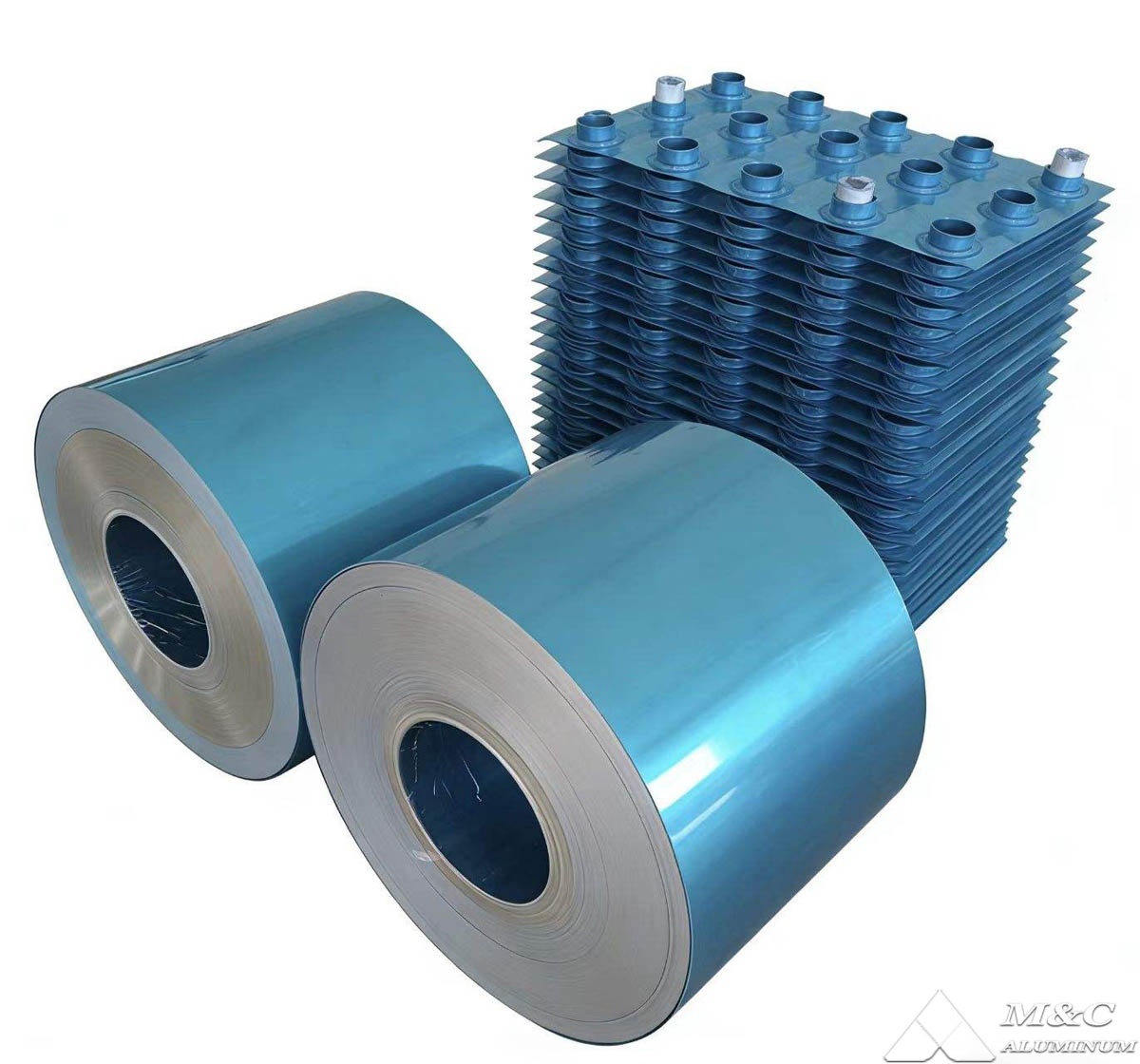
Hydrophilic coating performance is evaluated by initial contact angle, contact angle after boiling water test, salt spray resistance, coating adhesion, and cupping or bending performance. In our production, both single-side and double-side hydrophilic coating can be supplied according to fin design and customer equipment.
6. Hydrophobic or Protective Coating
Hydrophobic coating is used when water repellency is required. Unlike hydrophilic treatment, hydrophobic coating increases the contact angle of water on the foil surface. This treatment can be applied to packaging, insulation, and selected industrial uses where moisture resistance, anti-sticking performance, or surface protection is needed.
Protective coatings may also be used to improve scratch resistance, chemical resistance, and handling performance. The selected resin system depends on whether the foil will contact food, adhesive, heat, moisture, or aggressive media.
7. Heat Seal Coating
Heat seal coating is important for 8011 aluminum foil used in yogurt lids, dairy packaging, pharmaceutical strip packaging, bottle caps, and lidding foil. A heat seal lacquer is applied to one side of the aluminum foil so that it can seal to PP, PS, PET, PE, PVC, glass, or aluminum containers under controlled heat, pressure, and dwell time.
The surface treatment must provide stable coating anchorage and consistent sealing strength. If coating weight is too low, sealing may be weak. If coating weight is too high, blocking, curling, or solvent retention may occur. For lidding foil, peel behavior is also important. Some applications require easy peel, while others require destructive seal or high burst resistance.
8. Anti-Corrosion Coating
Anti-corrosion coating is applied when 8011 aluminum foil is used in environments where moisture, salts, acids, alkalis, or cleaning agents may attack the metal. Typical applications include fin stock, industrial insulation, cable foil, and packaging for aggressive contents.
Anti-corrosion coating may be combined with conversion treatment and primer coating. The final structure is selected after evaluating the exposure environment, expected service life, forming method, and coating compatibility.
9. Printed and Colored Coating
Printed or colored coating gives aluminum foil functional identification, brand appearance, or optical properties. For packaging applications, 8011 aluminum foil may be printed, lacquered, embossed, or laminated. The surface must be clean and receptive to ink, and the coating must resist abrasion during slitting, packing, and converting.
In factory production, color difference, gloss, ink adhesion, solvent residue, and blocking resistance are monitored. For food and medical packaging, ink and coating systems must be selected according to the required safety standard.
Technical Parameters of 8011 Aluminum Foil Surface Treatments
The following table lists typical manufacturing parameters. Actual values are confirmed according to customer drawings, application standards, and trial results.
| Surface Treatment Type | Main Purpose | Typical Parameter Range | Common Applications | Key Quality Control Items |
|---|---|---|---|---|
| Degreasing and cleaning | Remove oil and particles | Residual oil controlled by specification, dyne value commonly 32-40 dyn/cm | Food foil, household foil, packaging foil | Surface cleanliness, odor, water break test |
| Corona treatment | Improve surface energy | 38-52 dyn/cm depending on coating system | Printing, lamination, flexible packaging | Dyne level, aging stability, adhesion |
| Chemical conversion | Improve corrosion resistance and adhesion | Film weight controlled in mg/m2 range according to system | Fin foil, closure foil, industrial foil | Coating weight, corrosion test, flexibility |
| Primer coating | Enhance bonding to topcoat or laminate | 0.3-2.0 g/m2 dry coating weight | Packaging foil, cigarette foil, lidding foil | Coating uniformity, adhesion, solvent residue |
| Hydrophilic coating | Promote water spreading | Initial contact angle commonly below 25 degrees | Air conditioner fin foil, heat exchanger foil | Contact angle, salt spray, alkali resistance |
| Hydrophobic coating | Improve water repellency | Contact angle commonly above 90 degrees | Insulation, moisture-resistant foil | Water repellency, abrasion resistance |
| Heat seal coating | Enable sealing to plastic or container | 2.0-8.0 g/m2 dry coating weight, system dependent | Lidding foil, dairy lids, pharmaceutical packaging | Seal strength, peel behavior, blocking |
| Anti-corrosion coating | Protect against moisture and chemicals | Coating system selected by exposure condition | Fin stock, industrial packaging, cable foil | Salt spray, humidity test, coating adhesion |
| Printed coating | Provide appearance and identification | Color, gloss, and ink thickness by specification | Cigarette foil, food packaging, caps | Color difference, ink adhesion, rub resistance |
Typical Base Material Specifications
Surface treatment must match the base foil condition. The following table shows common 8011 aluminum foil base material ranges used before surface treatment.
| Item | Typical Specification |
|---|---|
| Alloy | 8011 |
| Temper | O, H14, H16, H18, H22, H24, H26 |
| Thickness | 0.006-0.200 mm, depending on application |
| Width | 100-1600 mm, customized by order |
| Surface | One side bright, one side matte, or double bright by process route |
| Core ID | 76 mm, 152 mm, or according to customer requirement |
| Pinholes | Controlled according to thickness and application grade |
| Wettability | Controlled by treatment type and downstream process |
| Packaging | Wooden case or suspended packing with moisture protection |
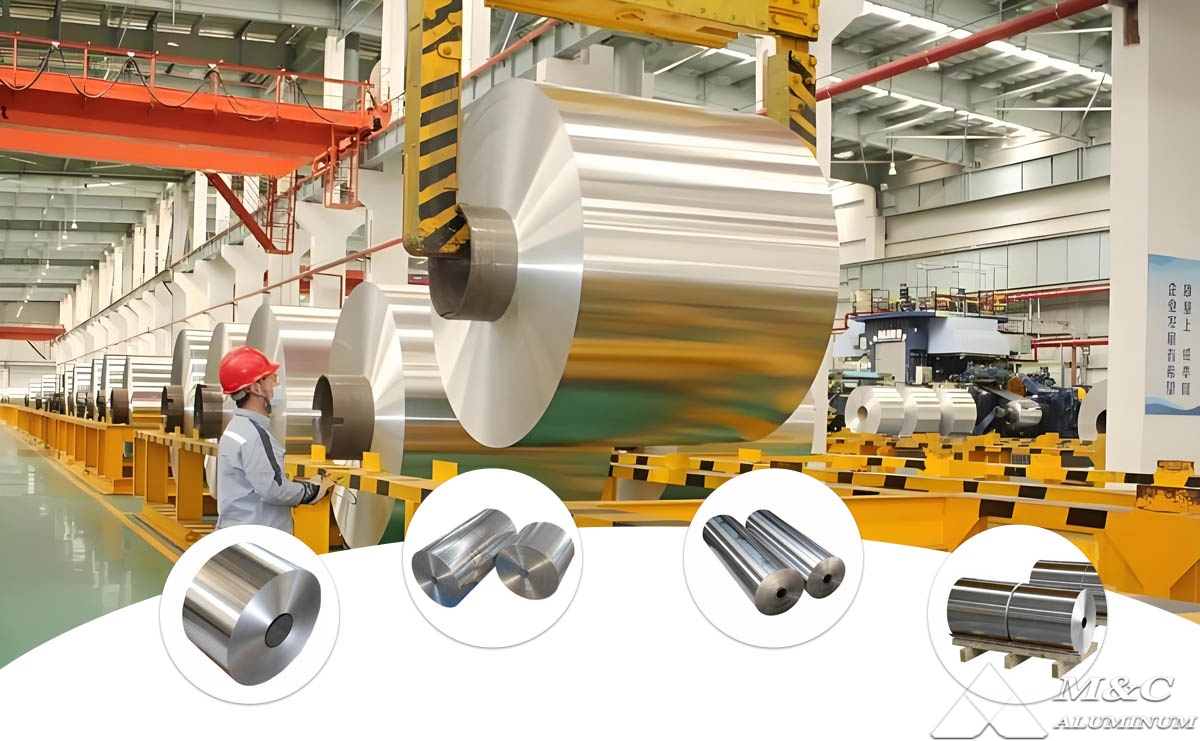
8011 Aluminum Foil Product Features
1. Superior Barrier and Protective Properties: Offers exceptional barrier capabilities, effectively blocking light, moisture, oxygen, and harmful gases to extend shelf life and prevent spoilage.
2. Excellent Ductility and Processability: Exhibits superior ductility compared to pure aluminum foil; it can undergo deep processing—such as lamination, coating, and printing—to create packaging or containers of various shapes.
3. High Mechanical Strength: The addition of trace elements (such as iron and silicon) results in higher tensile strength than standard pure aluminum foil, making it resistant to breakage or tearing.
4. High and Low-Temperature Resistance: Maintains dimensional stability across a wide temperature range (-73°C to 371°C) and offers good thermal conductivity (up to 55%), making it suitable for both high-temperature cooking and frozen packaging.
5. Safe and Non-Toxic: Features a clean, hygienic surface that is non-toxic and odorless; it fully complies with safety and hygiene standards for food and pharmaceutical packaging and is safe for direct contact with contents.
Manufacturing Control in Our Factory
Our 8011 aluminum foil surface treatment line is managed as an integrated process. Base foil quality, surface cleanliness, coating preparation, coating application, drying, curing, slitting, and final inspection are connected by process control records.
For coated aluminum foil, we focus on the following production controls:
Base foil inspection before treatment, including thickness, width, tensile strength, elongation, pinholes, and surface defects.
Surface cleaning and activation control to ensure uniform coating wetting.
Coating bath management, including viscosity, solid content, pH value where applicable, and filtration.
Oven temperature and line speed control to avoid under-curing, over-curing, or residual solvent.
Online inspection for streaks, coating marks, wrinkles, color difference, and foreign matter.
Slitting tension control to prevent edge wave, telescoping, and coil deformation.
Final testing based on customer application, including adhesion, contact angle, heat seal strength, corrosion resistance, and odor.
This manufacturing approach helps ensure that 8011 aluminum foil performs consistently in customer converting operations such as printing, laminating, punching, embossing, deep drawing, and fin stamping.
Selection Guide by Application
Different industries require different 8011 aluminum foil surface treatment types. For household aluminum foil and general food wrapping, clean annealed foil is usually sufficient, while lidding applications require primer and heat seal lacquer. For cigarette aluminum foil, primer, color coating, embossing suitability, and lamination adhesion are important. For hydrophilic aluminum foil used in fins, hydrophilic coating and corrosion resistance are the key factors. For pharmaceutical packaging, surface cleanliness, coating safety, sealing strength, and barrier performance must be strictly controlled.
When selecting a treatment, buyers should confirm the following information with the manufacturer:
Final application and contact material.
Required alloy, temper, thickness, and width.
Single-side or double-side treatment.
Required coating weight or contact angle.
Downstream process temperature, speed, and pressure.
Food, pharmaceutical, or environmental compliance requirements.
Test standards for adhesion, sealing, corrosion, and aging.
Conclusion
8011 aluminum foil surface treatment is a decisive factor for packaging reliability, coating performance, corrosion resistance, and converting efficiency. The main treatment types include degreasing, corona treatment, chemical conversion, primer coating, hydrophilic coating, hydrophobic coating, heat seal coating, anti-corrosion coating, and printed coating.
As a manufacturer, we recommend selecting the surface treatment according to the final structure and processing conditions rather than choosing only by alloy and thickness. Correct matching of base foil, surface treatment, coating system, and quality inspection can help ensure stable performance in food packaging, cigarette packaging, hydrophilic fin foil, pharmaceutical packaging, and industrial applications.