
As an aluminum foil manufacturer, we produce flexible packaging 8011 aluminum foil for converters, laminators, packaging printers, and industrial buyers that require stable quality in wholesale supply. Alloy 8011 is widely used in flexible packaging because it combines good formability, reliable barrier performance, and compatibility with printing, coating, lamination, and heat sealing structures.
Our factory supplies 8011 aluminum foil in jumbo rolls, slit coils, and customer-specified roll formats for food packaging, pharmaceutical packaging, cigarette inner liner packaging, dairy lids, sachets, pouches, and other multilayer packaging systems. The focus of our production is not only thickness and width, but also surface cleanliness, pinhole control, mechanical consistency, winding quality, and documentation suitable for international B2B procurement.
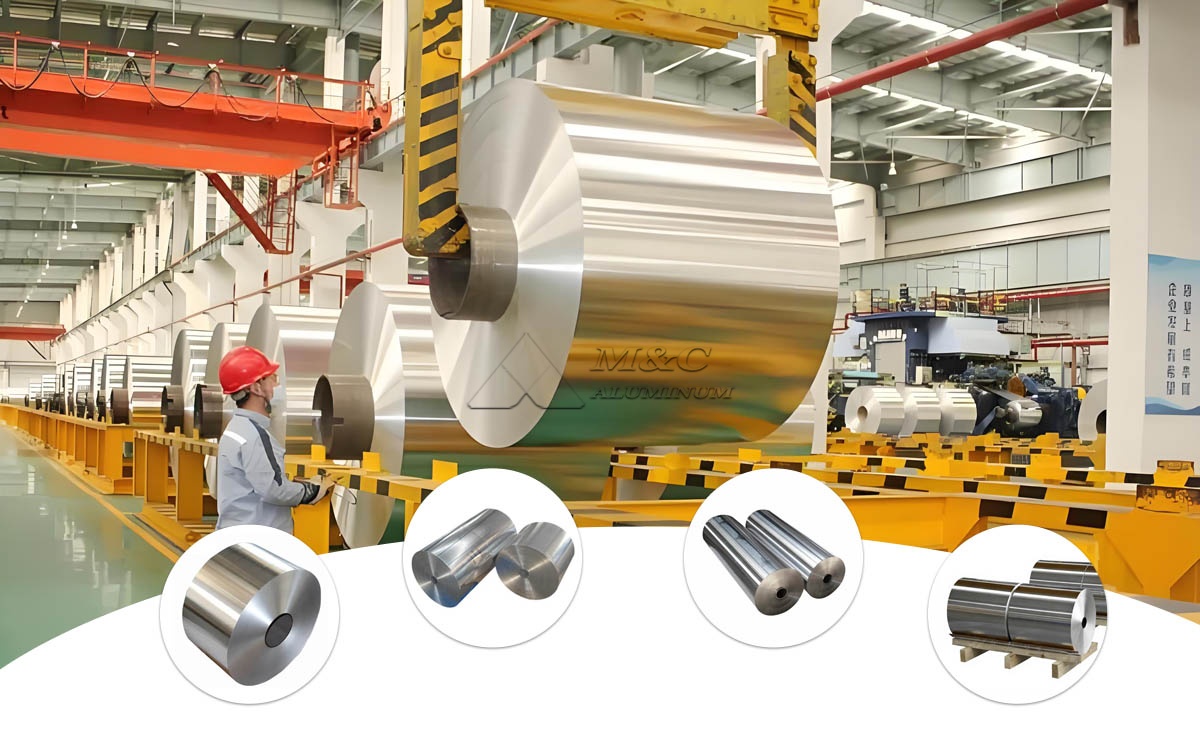
What Is 8011 Aluminum Foil for Flexible Packaging
8011 aluminum foil is an Al-Fe-Si alloy commonly used for packaging foil. Compared with some pure aluminum grades, 8011 offers balanced strength, elongation, and processing stability after annealing. In flexible packaging, the foil layer is normally used as a barrier material against light, oxygen, moisture, aroma loss, and external contamination.
For packaging converters, 8011 foil is usually laminated with plastic films, paper, adhesive layers, lacquer, or heat seal coatings. Depending on the final application, it can be supplied in O temper, H18, H22, H24, or other requested tempers. Soft O temper is preferred where deep forming, folding, and lamination flexibility are required, while harder tempers may be selected for lids, labels, and certain reinforced packaging structures.
As a factory, we control the production route from casting and rolling to annealing, slitting, inspection, and packing. This enables us to adjust specifications for different flexible packaging lines and maintain batch-to-batch consistency for wholesale orders.
Main Applications in Flexible Packaging
Flexible packaging 8011 aluminum foil is used across several industrial packaging categories. The same alloy can serve different end uses when thickness, temper, surface state, and cleanliness are properly controlled.
Common applications include:
Food packaging pouches and sachets
Milk powder and coffee packaging laminates
Chocolate, butter, and cheese wrapping foil
Yogurt cup lids and heat seal lids
Pharmaceutical blister and strip packaging base materials
Cigarette inner liner and composite packaging foil
Tea, seasoning, and dry food barrier packaging
Household and catering flexible wrapping products
For customers sourcing special packaging structures, our 8011 Aluminum Foil can be produced according to the required downstream process, including lamination, printing, coating, embossing, and die cutting.
Technical Parameters
The following table shows typical factory supply ranges for 8011 aluminum foil used in flexible packaging. Final specifications can be confirmed according to drawings, samples, or technical data sheets from the buyer.
| Item | Typical Specification |
|---|---|
| Alloy | 8011 |
| Temper | O, H18, H22, H24, customized |
| Thickness | 0.006 mm to 0.20 mm |
| Width | 100 mm to 1600 mm, customized by slitting |
| Inner Diameter | 76 mm, 152 mm, or customer requirement |
| Outer Diameter | According to roll weight and packing requirement |
| Surface | One side bright, one side matte, or double side bright depending on process |
| Thickness Tolerance | Controlled according to customer standard or applicable EN, ASTM, GB requirements |
| Width Tolerance | Typically +/- 0.5 mm to +/- 1.0 mm depending on slit width |
| Pinholes | Controlled according to thickness and end-use requirement |
| Wettability | Treated or controlled for lamination and coating requirements |
| Surface Cleanliness | Free from oil stains, black spots, corrosion, wrinkles, and serious scratches affecting use |
| Packing | Export wooden case, suspended packing, eye-to-wall or eye-to-sky |
| Documentation | COA, packing list, commercial invoice, mill test certificate, and other requested files |
Manufacturing Control in Our Factory
The production of flexible packaging aluminum foil requires precise control at each stage. Packaging foil is thin, and defects that are not important in thicker sheet products may become critical during high-speed lamination or printing. Our production process is designed to reduce such risks.
The first stage is raw material and slab control. Chemical composition is checked to ensure that the 8011 alloy meets the required range. Rolling parameters are then set according to target thickness and temper. During cold rolling, thickness gauges and surface monitoring help keep the foil within specified tolerances.
Annealing is a key step for soft temper 8011 aluminum foil. Proper annealing gives the foil required flexibility and removes rolling oil residues within controlled limits. For flexible packaging applications, stable mechanical properties and clean surfaces are important because the foil must bond well with films, paper, or coatings.
After rolling and annealing, the foil is slit to customer width. Slitting quality directly affects downstream running performance. We control burrs, edge waviness, telescoping, and roll tension to support smooth unwinding on laminating and printing machines.
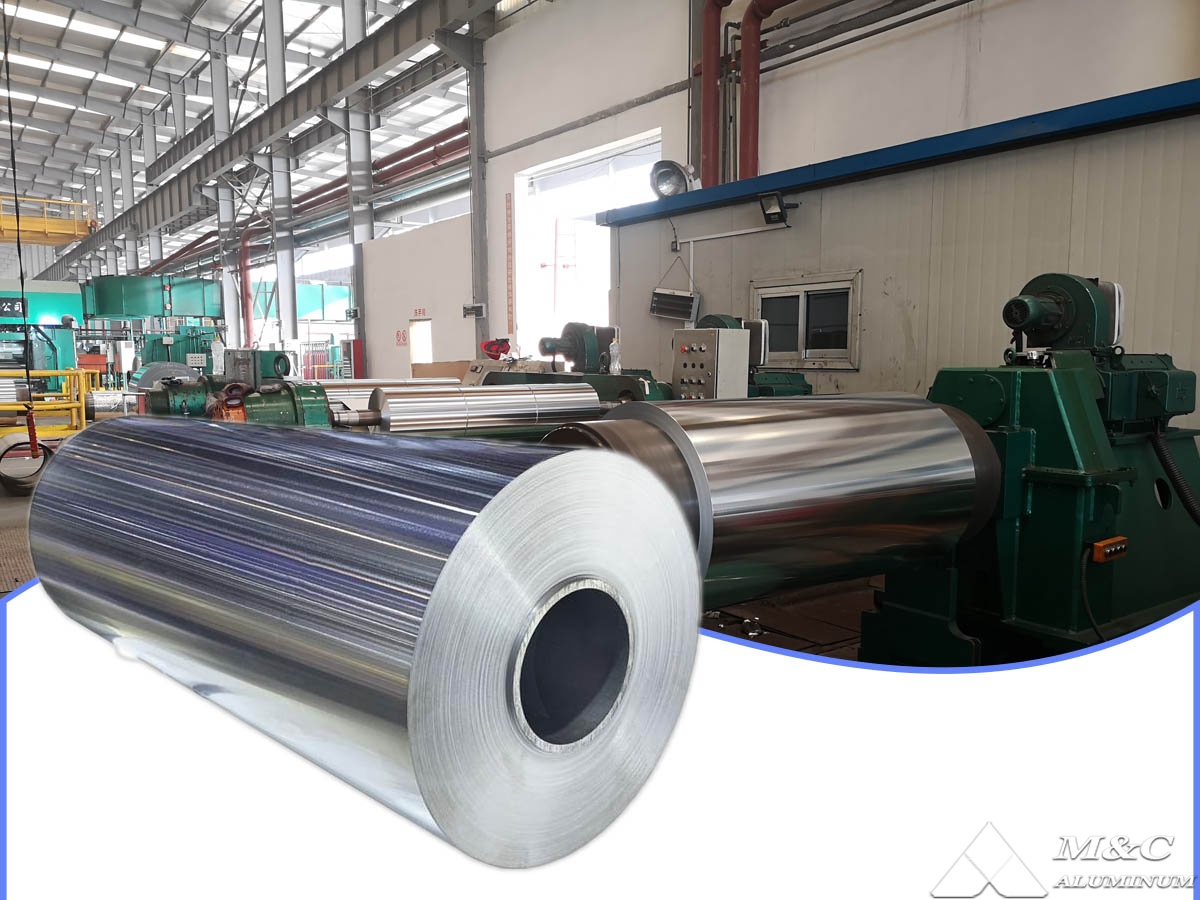
Quality Requirements for Packaging Converters
Buyers of flexible packaging 8011 aluminum foil usually evaluate more than the alloy certificate. In actual production, the converter is concerned with whether the foil can run continuously without breaks, whether it bonds reliably, and whether the surface is suitable for printing or coating.
Our inspection focuses on the following points:
Thickness uniformity across the width and along the coil length
Roll profile, winding tightness, and edge condition
Surface defects, including oil marks, black lines, holes, oxidation, and wrinkles
Mechanical properties such as tensile strength and elongation
Pinhole level according to foil thickness and application
Wettability and surface condition for lamination or coating
Core strength and packing safety for long-distance sea transport
For food and pharmaceutical packaging projects, we can support additional requirements such as cleanliness control, traceability, and regulatory documentation based on the customer market. For cigarette and tobacco packaging applications, we also manufacture foil suitable for laminated inner liners, including materials related to Cigarette Packaging Aluminum Foil.
Thickness Selection for Flexible Packaging
Thickness selection depends on barrier performance, mechanical requirements, cost control, and converting method. Thin foil, such as 0.006 mm to 0.009 mm, is often used for lightweight laminated packaging where flexibility is important. Medium thickness foil, such as 0.010 mm to 0.030 mm, is common in food pouches, sachets, chocolate wrapping, and pharmaceutical structures. Thicker foil may be used for lids, container sealing, and packaging requiring stronger puncture resistance.
A thinner foil can reduce material cost and package weight, but it requires stricter pinhole and handling control. A thicker foil generally improves barrier stability and mechanical strength, but may reduce flexibility and increase cost. As a manufacturer, we recommend selecting the foil thickness based on the actual laminated structure and filling process, rather than only considering the foil layer separately.
Surface and Lamination Performance
Flexible packaging aluminum foil is rarely used alone. It is commonly combined with PET, PE, PP, paper, nylon, or special heat seal layers. Therefore, surface condition is a major technical factor. Rolling oil residue, surface oxidation, poor wettability, or uneven tension can affect adhesive bonding and final package strength.
Our factory controls surface quality through rolling oil management, annealing procedures, and final inspection. For customers with strict lamination requirements, sample rolls can be prepared for trial production before bulk shipment. This allows both sides to confirm bonding strength, unwinding behavior, printing compatibility, and sealing performance in advance.
Wholesale Supply and Customization
For wholesale buyers, supply stability is as important as product specification. We produce 8011 aluminum foil in regular and customized dimensions for long-term procurement programs. Customers can specify thickness, width, temper, roll weight, core size, packing method, and documentation requirements.
Typical wholesale supply forms include jumbo rolls for large converters, slit rolls for medium-width laminating lines, and smaller rolls for specific packaging processes. Export packing is selected according to transport distance, loading method, and storage conditions. Each package is marked for traceability, including alloy, temper, size, net weight, gross weight, batch number, and production information.
Before confirming a wholesale order, we usually review the buyer's application, required standard, tolerance, annual demand, and shipment schedule. This helps us match production planning with delivery requirements and reduce quality risks caused by unclear specifications.
Packaging, Storage, and Transport
Aluminum foil is sensitive to moisture, impact, and improper handling. For export orders, we use protective packing suitable for sea freight and warehouse storage. Rolls are wrapped with moisture-proof materials, fixed securely, and packed in wooden cases or according to customer instructions.
During storage, foil should be kept in a dry, clean indoor environment. Direct contact with water, acid, alkali, and corrosive materials should be avoided. If the foil is moved from a cold environment to a warm production area, it is recommended to allow temperature balance before opening the package. This helps prevent condensation and surface oxidation.
Why Work Directly With an 8011 Aluminum Foil Manufacturer
Working directly with a manufacturer helps B2B buyers control specifications, delivery schedules, and technical communication. When a packaging converter changes a film structure, adhesive system, or printing process, foil requirements may also change. Direct factory communication makes it easier to adjust temper, roll size, surface requirement, or tolerance before mass production.
Our role is to provide stable flexible packaging 8011 aluminum foil wholesale supply with clear technical standards and practical production support. We do not position the product as a universal material for every package. Instead, we help customers select appropriate foil specifications according to the real converting process and end-use performance requirements.
Conclusion
Flexible packaging 8011 aluminum foil is a widely used barrier material for food, pharmaceutical, cigarette, dairy, and general consumer packaging. Its performance depends on alloy control, rolling accuracy, annealing quality, surface cleanliness, pinhole management, and professional packing.
As an aluminum foil factory, we supply wholesale 8011 aluminum foil in customized thicknesses, widths, tempers, and roll formats for international packaging converters. With controlled production and inspection procedures, we support buyers that need consistent material for lamination, printing, coating, sealing, and other flexible packaging applications.