
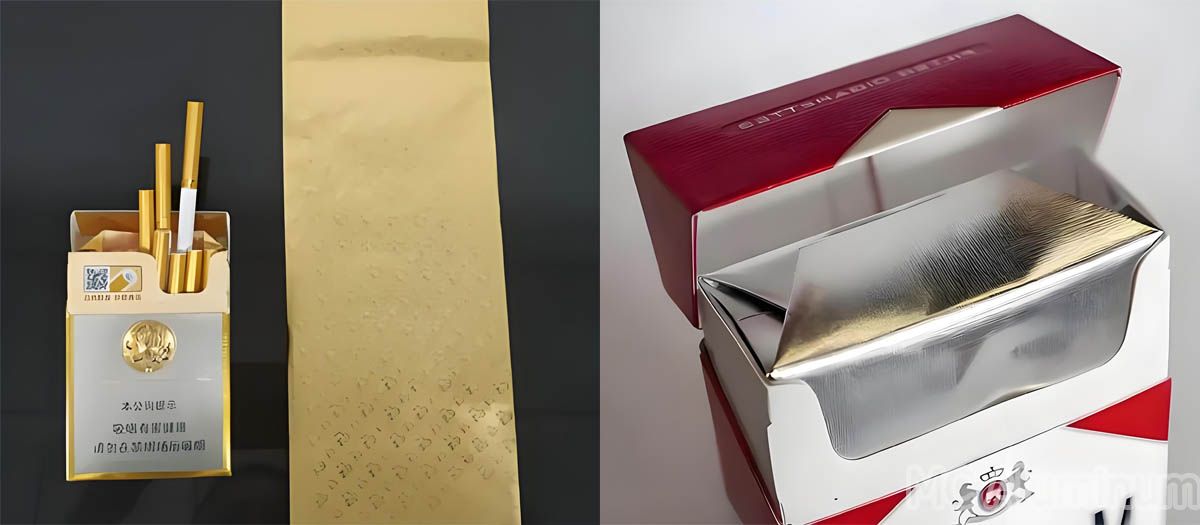
In the modern tobacco packaging system, inner liner materials do more than simply "wrap" the product. They directly affect aroma preservation, moisture retention, and the overall premium appearance of the brand. Among various packaging materials, 6-7 micron ultra-thin aluminum foil has become one of the mainstream choices for high-end cigarette inner liner packaging thanks to its excellent barrier performance and processing adaptability.
What Is 6-7 Micron Aluminum Foil?
6-7μm aluminum foil belongs to the category of double zero aluminum foil, which refers to ultra-thin aluminum foil products with a thickness of less than 0.01 mm. It is usually made from high-purity aluminum alloys such as 8011 and 1235 through multiple cold rolling processes, offering excellent ductility and surface integrity.
This thickness range achieves a good balance between cost control and performance, making it a "golden thickness" that has been widely verified by the tobacco industry over many years.
It offers the following advantages:
1. Extreme Lightweight Performance
While maintaining excellent performance, the ultra-thin thickness significantly reduces the weight of packaging materials, meeting the modern industrial trend of environmental protection and cost savings.
2. Excellent Folding Performance
Cigarette packaging lines operate at very high speeds. 6-7 micron aluminum foil has excellent dead fold properties, meaning it does not spring back after folding. This ensures sharp package edges, neat corners, and an upright appearance.
3. Good Lamination Adaptability
After being laminated with inner liner base paper, aluminum foil of this thickness retains the metallic texture while also gaining the toughness of paper. It is highly suitable for high-speed packaging machine operation.
Typical Structures and Process Combinations
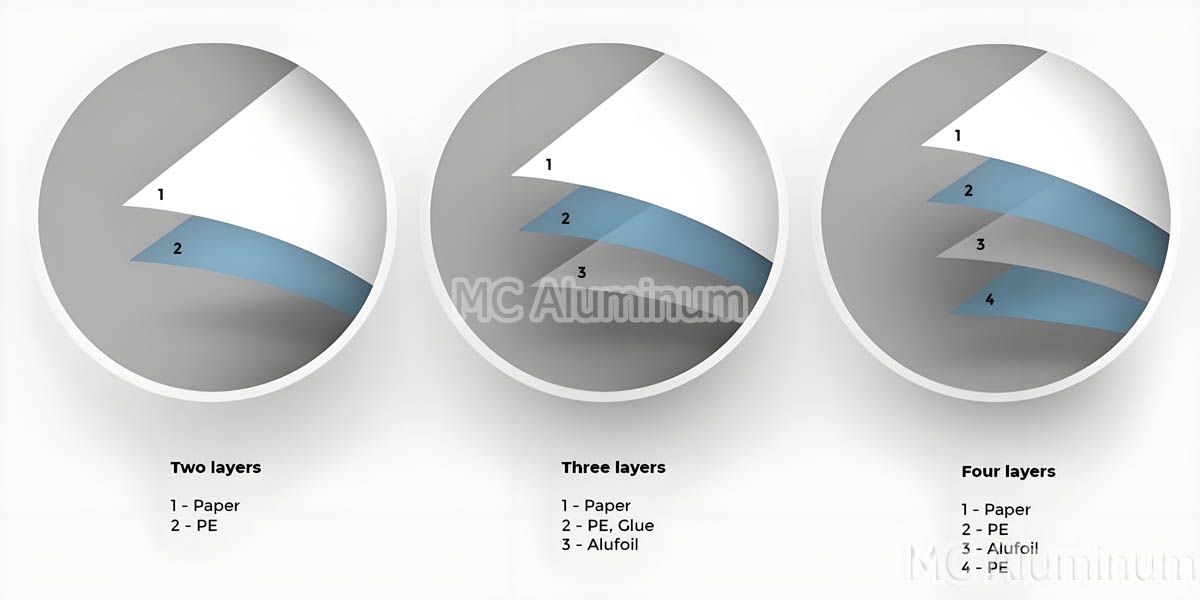
In practical applications, 6-7μm aluminum foil is usually not used alone. It is commonly laminated with paper or film to form a multi-layer structure, such as:
Aluminum foil + paper (Foil-Paper Laminate)
Aluminum foil + PET / OPP film
Aluminum foil + coating (Anti-corrosion coating / printing coating)
Product Specifications
| Item | Specification |
| Alloy | 8011, 1235 |
| Temper | O |
| Thickness | 0.006-0.007mm |
| Width | 10-1600 mm |
| Length | 100-16000 mm |
| Form | Aluminum foil + 20-25 g/m² base paper lamination |
| Processing | Single-color / color printing, embossing, hot stamping |
| Surface | One side bright, one side matte; heat-seal coating available |
| MOQ | 1-3 tons |
Performance Features of Aluminum Foil for Cigarette Inner Liner Packaging
1. Excellent Barrier Performance
Aluminum foil itself has a dense metallic structure and provides an almost complete barrier against oxygen, water vapor, and light. Although 6–7μm aluminum foil is extremely thin, it can still achieve nearly 100% barrier performance in tobacco packaging, effectively preventing tobacco oxidation and aroma loss.
2. Excellent Aroma and Moisture Retention
Cigarettes are highly sensitive to humidity. Aluminum foil inner liners help stabilize the internal micro-environment, preventing tobacco from becoming too dry or absorbing excess moisture. This extends shelf life and helps maintain consistent taste quality.
3. Excellent Processing Adaptability
This specification of aluminum foil offers good flexibility and tear resistance. It is suitable for various post-processing techniques, including lamination, printing, embossing, and coating, making it ideal for complex packaging designs required by high-end brands.
4. High Surface Finish and Decorative Effect
Through precision rolling and surface treatment, aluminum foil can present a mirror-like finish or delicate texture, enhancing the visual quality of the product and improving the consumer's unboxing experience.
Why Choose 6–7 Micron Aluminum Foil Instead of Thicker or Thinner Foil?
Below 6μm
The pinhole rate increases significantly, the foil is easier to tear, barrier performance decreases, and production becomes more difficult.
6–7μm Range
This range achieves the optimal balance between barrier performance, processability, and cost efficiency.
Above 7μm
Material cost increases, and flexibility may decrease slightly, which is not ideal for high-speed packaging lines.
Therefore, this thickness has become one of the standardized choices in the global tobacco packaging industry.
Key Quality Control Points for Double Zero Aluminum Foil
For 6-7μm aluminum foil, the following indicators should be carefully controlled during production and application:
1. Pinholes Control
Pinholes are a key factor affecting the barrier performance of aluminum foil. Through advanced rolling technology, we control the number of pinholes below national and international standards, ensuring excellent sealing and barrier reliability.
2. Surface Cleanliness
Strict degreasing processes are adopted to ensure that the aluminum foil surface reaches Grade A water brushing test standards. This allows lamination adhesives to bond more firmly and prevents delamination.
3. Flatness and Shape Control
Automatic thickness gauges and shape control systems ensure uniform tension throughout the entire aluminum foil roll. This allows smooth operation on customers' laminating machines with no strip breakage.
FAQ
Q: Which alloys are commonly used for cigarette inner liner aluminum foil?
A: The mainstream alloys are 8011 and 1235 aluminum alloy. 8011 has higher strength and good formability, while 1235 has higher purity and better ductility. The appropriate alloy can be selected according to different processing requirements.
Q: Why does aluminum foil need to be laminated with paper or film?
A: Single-layer aluminum foil has relatively low strength and can be easily damaged. By laminating it with paper or PET / OPP film, its mechanical strength, printability, and application stability can be significantly improved. At the same time, the overall packaging texture is enhanced.
Q: Do your products meet food-grade safety standards?
A: Yes. Cigarette packaging aluminum foil is in direct contact with the product. Our aluminum foil has passed relevant food safety certifications such as FDA and SGS, ensuring that it is non-toxic, odorless, safe, and reliable.
Q: Do you support customized embossing or coloring?
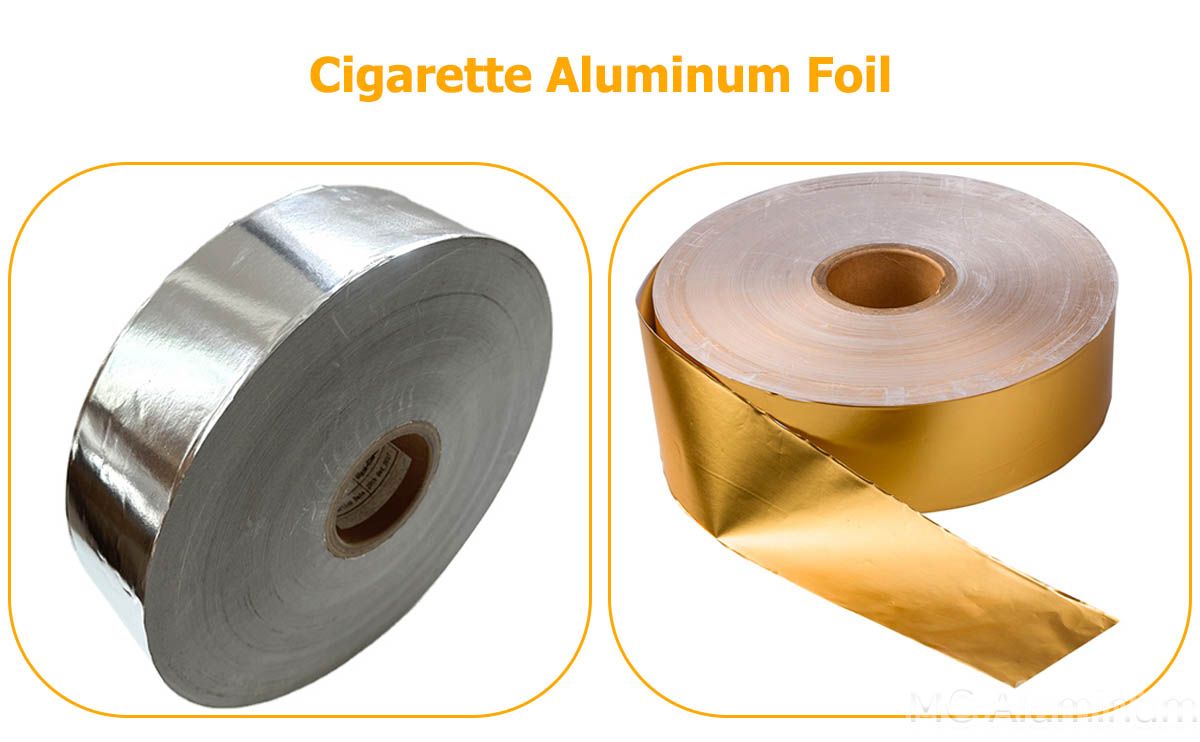
A: Yes. We provide original silver foil, gold foil, and various customized embossing services, such as fine linen patterns, logo embossing, and other personalized designs to meet different brand requirements.
Q: Is 6–7μm aluminum foil environmentally friendly?
A: Aluminum foil itself is recyclable, and this thickness belongs to lightweight packaging material. Under current sustainability trends, the overall environmental performance can be further improved by reducing plastic laminated layers or using eco-friendly coatings.