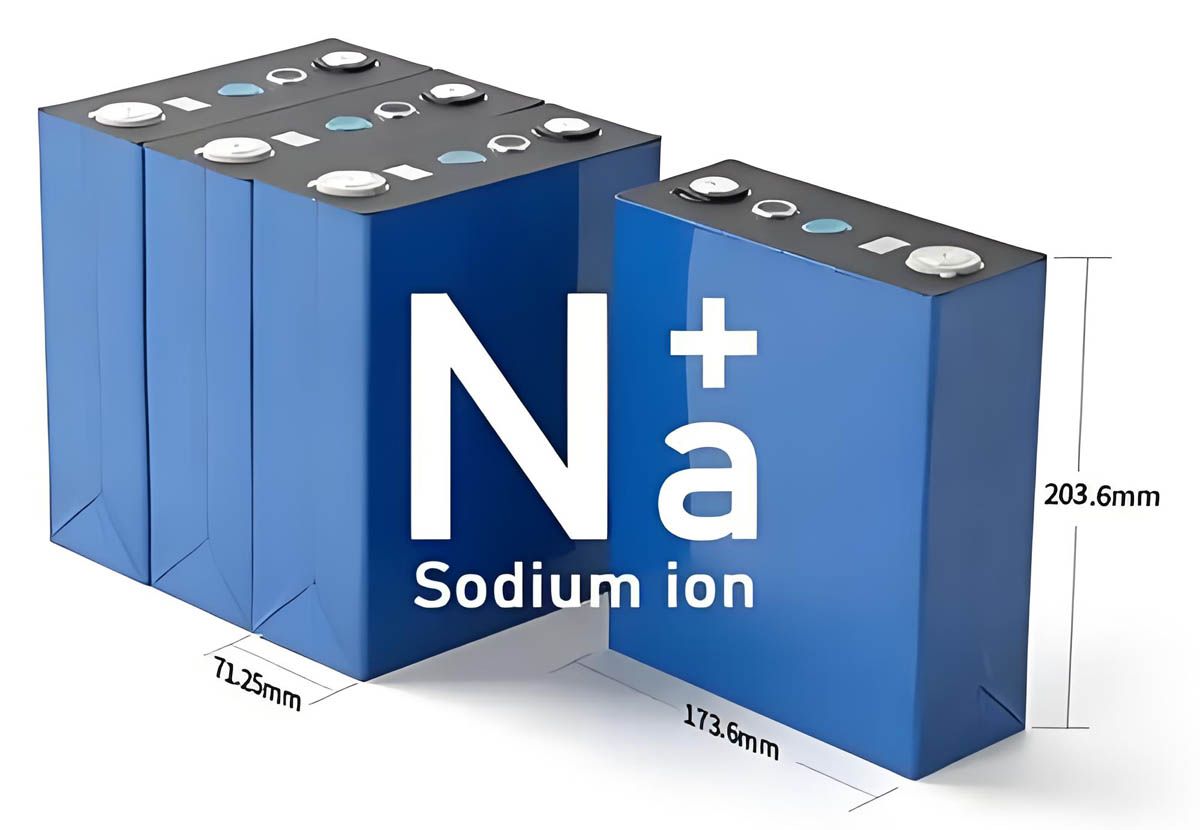
Battery foil is one of the fundamental materials used in lithium batteries for new energy vehicles. In the lithium-ion battery industry, rolled aluminum foil is commonly used as the cathode current collector.
As an essential component of the lithium battery electrode structure, the current collector serves as both a carrier for active materials and a pathway for collecting and transmitting electrical current. An ideal current collector should offer high electrical conductivity, excellent chemical stability, strong bonding performance, low cost, flexibility, and lightweight construction.
Aluminum foil is used as the cathode current collector, while copper foil is used as the anode current collector. Aluminum is abundant, cost-effective, readily available, and highly ductile. However, under certain conditions, aluminum can alloy with lithium ions on the anode side, while copper may oxidize on the cathode side. Therefore, aluminum foil is generally used as the cathode current collector, and copper foil is used as the anode current collector.
The quality of battery aluminum foil directly affects battery capacity, rate capability, cycle life, and safety. With the rapid growth of new energy vehicles and energy storage equipment, lithium-ion batteries are imposing increasingly stringent requirements on core materials. As a result, the technical threshold for battery-grade aluminum foil continues to rise.
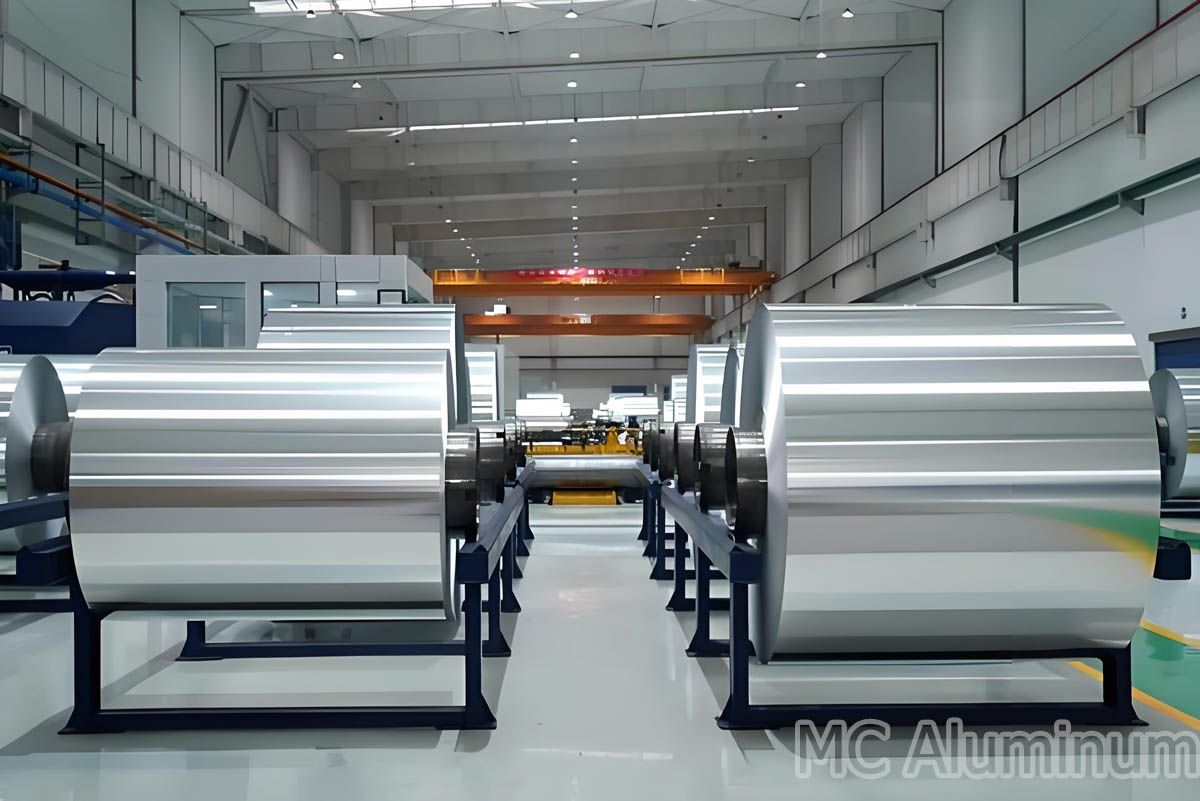
Common Alloys for Battery-Grade Aluminum Foil
Battery-grade aluminum foil mainly uses 1000-series pure aluminum alloys, characterized by high aluminum content, with purity reaching over 99.00%. The most common temper is hard temper, such as H18.
The following are the three mainstream alloy grades and their typical applications:
1235 Aluminum Foil
1235 alloy is currently the most widely used grade in the power battery sector. With high purity, excellent electrical conductivity, exceptional ultra-thin thickness uniformity, and mechanical stability, it has become a key material for ensuring battery energy density, cycle life, and safety.
Its tensile strength can exceed 140 MPa, elongation can reach ≥3%, and thickness precision can be controlled within ±3%.
1060 Aluminum Foil
1060 alloy contains at least 99.6% aluminum. It provides better electrical conductivity and corrosion resistance, making it widely used in energy storage batteries and general power battery applications.
1070 Aluminum Foil
1070 alloy offers the highest purity, at ≥99.70%. It is suitable for high-end digital battery applications with extremely demanding conductivity requirements.
| Alloy Grade | Purity | Typical Thickness | Typical Applications |
| 1235 | ≥99.35% | 12–15 μm | Power batteries, sodium-ion batteries |
| 1060 | ≥99.60% | 15–20 μm | Energy storage batteries, general power batteries |
| 1070 | ≥99.70% | 10–12 μm | High-end digital batteries |
Types of Lithium-Ion Battery Aluminum Foil
According to manufacturing process and material structure, lithium-ion battery aluminum foil can be categorized into bright foil, carbon-coated aluminum foil, and other types.
MC Aluminum's battery aluminum foil series offers flexible thickness and width options to meet the processing and performance requirements of different battery chemistries.
1. Single-Side Shiny Aluminum Foil
Description:
Single-side shiny aluminum foil has one bright side and one matte side. It is the most basic form of aluminum foil used in batteries, balancing electrical conductivity, mechanical strength, and processing adaptability.
Features:
Excellent electrical conductivity and mechanical strength
Good bonding performance with electrode active materials
Moderate surface tension, suitable for coating processes
Typical Applications:
Cathode current collectors for laboratory R&D cells, pilot-scale batteries, wound cells, and stacked cells.
Typical Specifications: 16 μm × 195 mm
Areal density: 42 g/m²
Tensile strength: 220 MPa
Elongation: 2.2%
Surface wetting tension: 30 N/m
Alloy and temper: 1235-H16/H18
Chemical composition: Al >99.8%, with trace amounts of Si, Cu, Fe, Mg, Zn, and Ti
2. Double-Side Shiny Aluminum Foil
Description:
Double-side shiny aluminum foil features bright surfaces on both sides. It offers high surface flatness, excellent electrical conductivity, and superior corrosion resistance.
Features:
Symmetrical double-side structure with low surface roughness
Excellent corrosion resistance and improved interface stability
High ductility and favorable mechanical properties
Typical Applications:
Industrial-grade battery cathode current collectors, especially for batteries requiring high consistency.
Typical Specifications: 16 μm × 196 mm
Areal density: 42 g/m²
Tensile strength: 220 MPa
Elongation: 2.2%
Surface wetting tension: 30 N/m
Alloy and temper: 1235-H16/H18
3. Single-Side Carbon-Coated Aluminum Foil
Description:
Single-side carbon-coated aluminum foil is produced by applying a conductive carbon layer to one side of the aluminum foil. This structure improves interfacial bonding and electrical conductivity.
Features:
Conductive carbon coating on one side enhances adhesion and electron transport efficiency
Reduces interfacial resistance and improves cycle stability
Bare aluminum on the reverse side balances conductivity and structural optimization
Typical Applications:
High-power-density batteries, cathodes using high-impedance materials such as high-nickel materials and lithium iron phosphate (LFP), and solid-state battery cathodes.
Typical Specifications: 16 μm × 260 mm
Coating thickness: 1 μm
Coating width: 230 mm
Areal density: 41.8 ± 2 g/m²
Surface wettability: ≥50 dyne
Wipe test: >200 cycles, no coating loss
Electrolyte immersion test: No delamination
4. Double-Side Carbon-Coated Aluminum Foil
Description:
Double-side carbon-coated aluminum foil features carbon coatings on both sides, forming a continuous conductive network and achieving lower interfacial resistance.
Features:
Carbon coatings on both sides provide improved electron transport paths
Enhances cycle life and rate performance
Helps prevent current collector corrosion and improves electrode stability
Typical Applications:
Power batteries, pouch cells, multi-electrode-sheet structures, and high-rate charge/discharge applications.
Typical Specifications: 16 μm × 260 mm
Carbon coating thickness: 1 + 1 μm
Coating width: 230 mm
Areal density: 42 ± 2 g/m²
Surface wettability: ≥40 dyne, measured at 55 dyne
Elongation: >1.5%, measured at 2.83%
Tensile strength: ≥180 N/mm², measured at 199.9 N/mm²
Wipe test: >200 cycles, no coating loss
Electrolyte immersion test: No delamination after 24 hours
Battery Aluminum Foil Product Comparison Table
| Item | Single-Side Shiny Foil | Double-Side Shiny Foil | Single-Side Carbon-Coated Foil | Double-Side Carbon-Coated Foil |
| Total thickness (μm) | 9-30 | 9-30 | 9-30 | 9-30 |
| Carbon coating thickness (μm) | - | - | 1 | 1+1 |
| Areal density (g/m²) | 42 | 42 | 41.8 ± 2 | 42 ± 2 |
| Tensile strength (MPa) | ≥180, measured 220 | ≥180, measured 200 | ≥180, measured 200 | ≥180, measured 200 |
| Elongation (%) | >1.5, measured 2.2 | >1.5, measured 2.2 | >1.5, measured 2.8 | >1.5, measured 2.8 |
| Surface wetting tension (dyne) | ≥30 | ≥30 | ≥50 | ≥40, measured 55 |
| Coating width (mm) | - | - | 230 ± 1 | 230 ± 1 |
| Total foil width (mm) | 50–300 | 50–300 | 50–300 | 50–300 |
| Uncoated edge margin (mm) | - | - | 15 ± 1 | 15 ± 1 |
| Wipe test (cycles) | - | - | >200 | >200 |
| Electrolyte immersion test | - | - | No delamination | No delamination |
| Standard | GB/T 1398-2010 | GB/T 1398-2010 | Internal standard | Internal standard |
| Typical applications | Laboratory R&D | Industrial battery production | High-power / high-impedance materials | High-rate batteries / pouch cells |
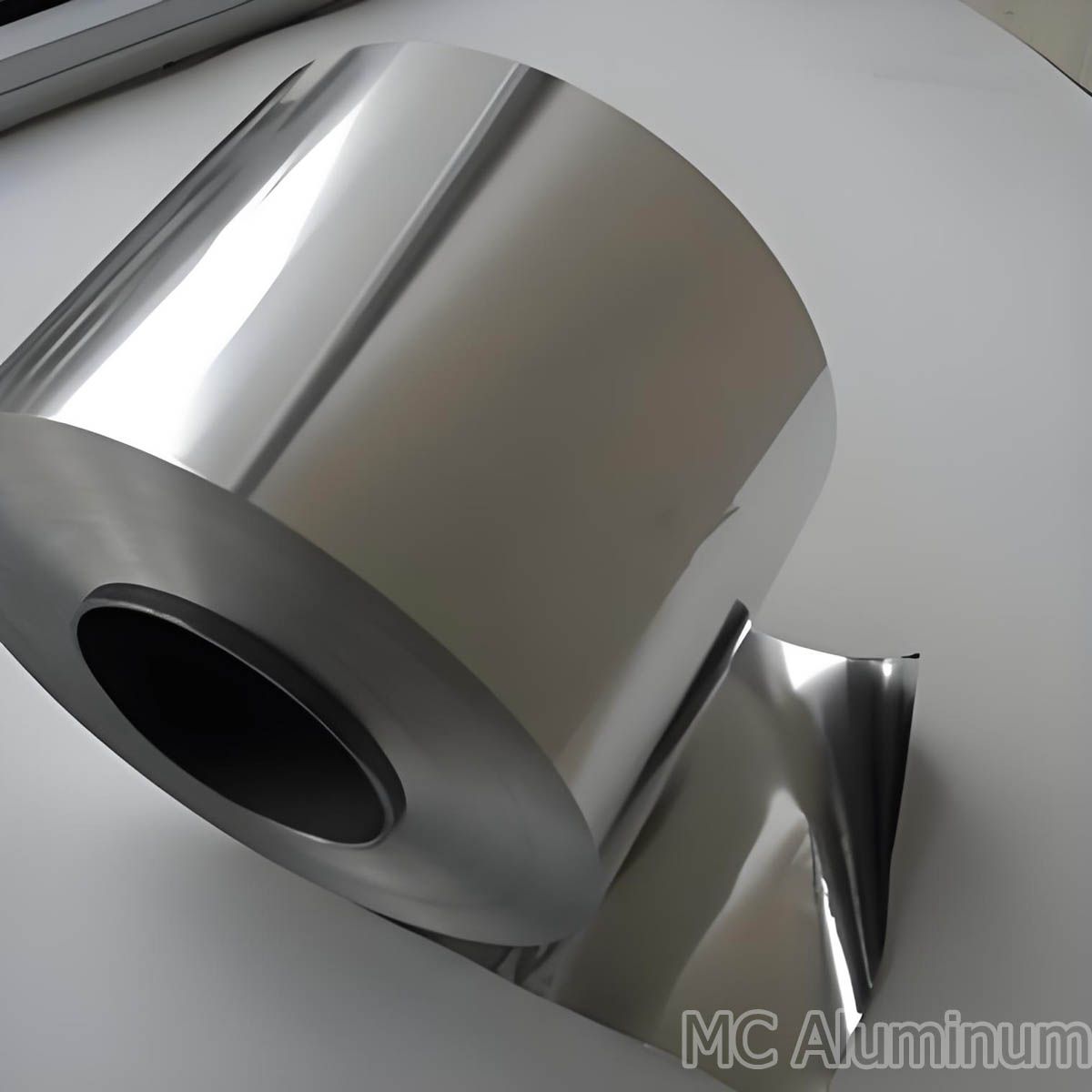
Classification by Thickness
Battery-grade aluminum foil is generally classified as ultra-thin aluminum foil. The most common thickness range is approximately 10–20 μm, although the actual specification depends on battery type, cathode material system, and manufacturing process.
10–12 μm Ultra-Thin Battery Aluminum Foil
This product category is primarily designed for applications pursuing high energy density. Thinner aluminum foil reduces the proportion of inactive materials and provides more space for active materials, thereby improving both gravimetric and volumetric energy density.
Typical Applications:
High-energy-density EV power batteries
High-end consumer electronics batteries
Lightweight energy storage cells
Battery products with strict weight-reduction requirements
13–15 μm Standard Battery Aluminum Foil
This thickness range is one of the most common specifications for battery aluminum foil. It provides a good balance among performance, processing stability, and cost. It can accommodate a variety of cathode coating and calendering processes and is widely used in large-scale battery manufacturing.
Typical Applications:
Lithium iron phosphate batteries
Ternary lithium batteries
Energy storage batteries
Power tool batteries
E-bike and electric two-wheeler batteries
Selected consumer electronics batteries
16–20 μm and Thicker Aluminum Foil
Thicker battery aluminum foil generally offers higher mechanical strength and greater processing tolerance. It is suitable for applications requiring enhanced manufacturing stability, electrode strength, or specialized cell structures.
Typical Applications:
Certain energy storage batteries
High-safety battery systems
Special-structure battery cells
Applications requiring high electrode tensile strength and wrinkle resistance
R&D validation and process development stages
Battery Foil Manufacturing Processes
The mainstream manufacturing routes for lithium battery aluminum foil include hot rolling and continuous casting and rolling.
Hot rolling is performed above the recrystallization temperature. Continuous casting and rolling, also known as ingotless rolling, combines casting and rolling into one forming process. Compared with hot rolling, continuous casting and rolling eliminates certain steps, such as ingot casting and homogenization heat treatment.
Hot-rolled products generally offer higher quality, while continuous casting and rolling provides a cost advantage. Continuous casting and rolling products may exhibit more pronounced surface streaks and larger grain size, while their hardness, surface quality, and uniformity may be less favorable than those of hot-rolled products. On the other hand, hot rolling requires relatively high investment in heating furnaces and hot rolling mills, involves a longer process flow, consumes more energy, and results in higher production costs.
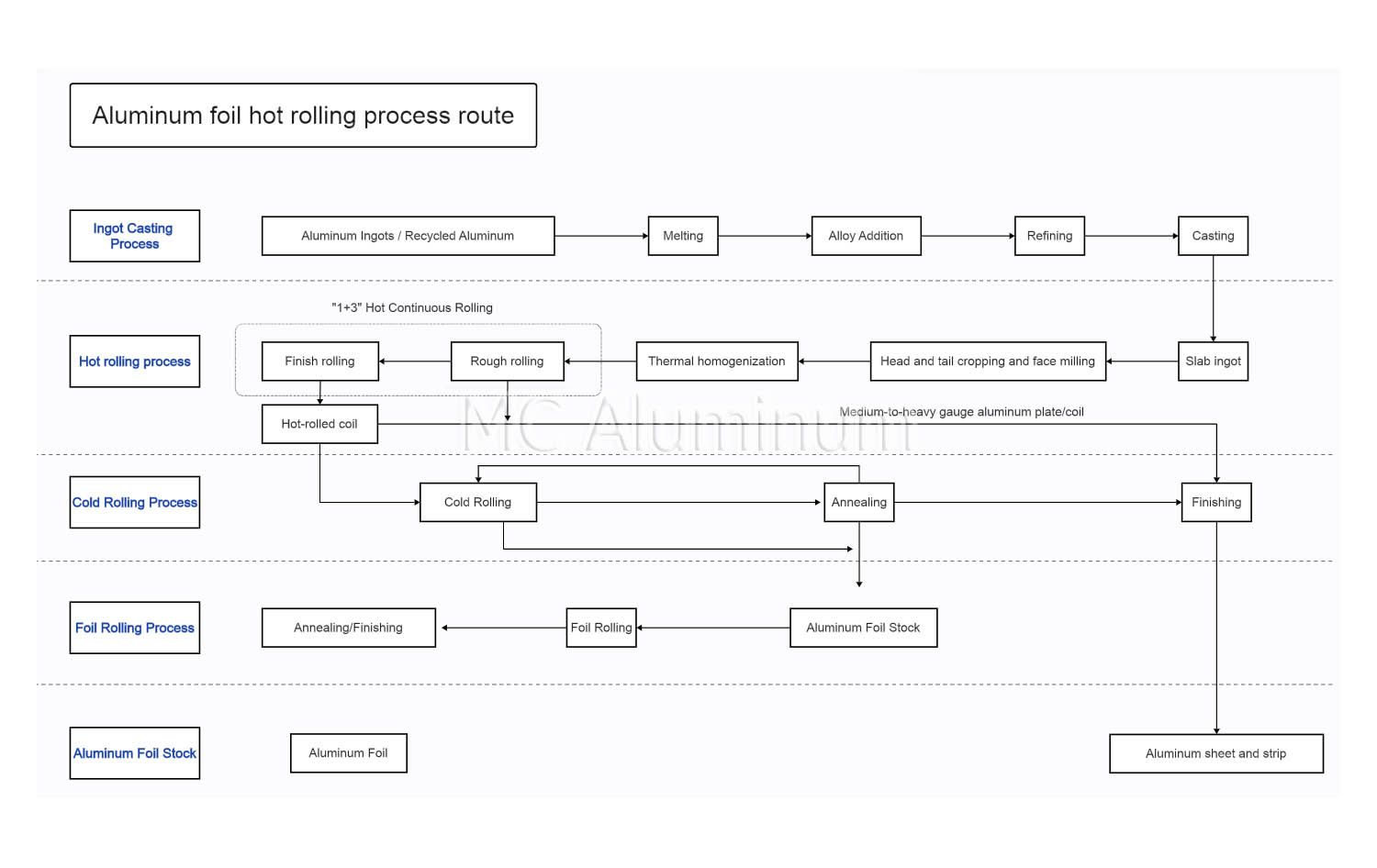
Battery foil places particular emphasis on high tensile strength and high ductility. Since the continuous casting and rolling process is generally capable of meeting battery foil production requirements, and offers significant cost advantages, it has become the preferred route for many battery foil manufacturers.
MC Aluminum adopts the hot rolling process to meet the processing and safety requirements of structural components.
Core Technical Requirements for Battery Aluminum Foil
1. Thickness and Precision
Mainstream battery aluminum foil thickness ranges from 10 to 20 μm and continues to trend thinner. The common industry standard is currently 15 μm, while leading manufacturers have achieved stable mass production of 12–13 μm foil. Some top companies have advanced thickness down to 9 μm, 8 μm, or even 7 μm.
Thickness deviation is generally required to be controlled within ±2%. This means that, across a sheet comparable in size to A4 paper, the difference between the thickest and thinnest points can be smaller than the diameter of a human hair.
2. Mechanical Properties
Battery aluminum foil generally requires tensile strength of at least 180 MPa. Certain high-end applications require 200 MPa, or even more than 300 MPa. At the same time, to meet subsequent coating and stamping requirements, sufficient elongation is also necessary, such as ≥3%.
3. Surface Wettability
To ensure good coating adhesion of cathode slurry on the aluminum foil surface, a surface dyne value of at least 32 mN/m is generally required. High-end products may require 36 mN/m or even over 50 mN/m.
4. Surface Cleanliness
Battery aluminum foil has extremely strict requirements for surface quality. Defects such as aluminum dust, iron particles, black oil streaks, and bright spots on matte surfaces are not acceptable.
Surface pitting is also strictly controlled: pits with a diameter greater than 1 mm are not permitted.
5. Flatness and Edge Quality
Flatness must be precisely controlled, generally to ≤10 I-units. Edges must be free from cracks and burrs.
6. Production Environment
Battery aluminum foil must be manufactured in high-standard cleanroom facilities. Cleanliness is generally required to meet ISO Class 8 standards.
Applications of Lithium-Ion Battery Aluminum Foil
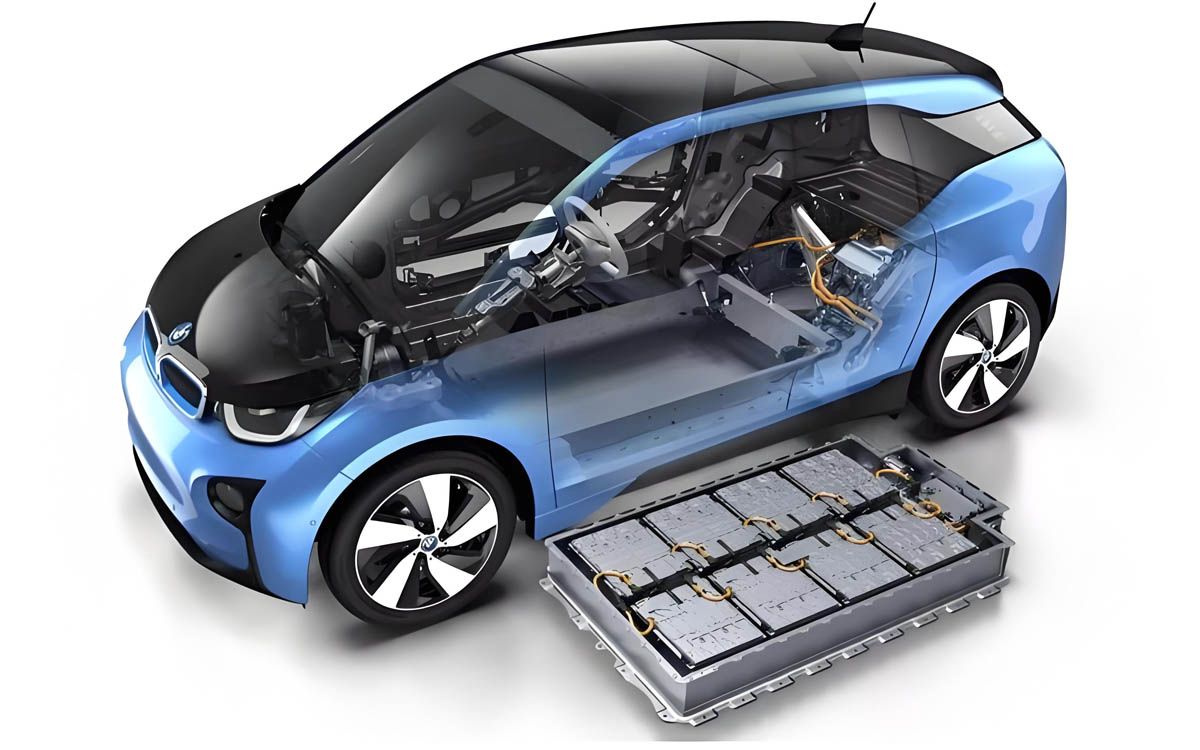
1. New Energy Vehicle Power Batteries
This is the largest application market for battery-grade aluminum foil. 1235 and 1060 alloys, typically in thicknesses of 12–15 μm, are widely used in prismatic aluminum-shell battery cells. They can support 2C–6C fast charging, achieve more than 2,000 charge-discharge cycles, and enable energy densities of 180–220 Wh/kg.
2. Energy Storage Systems (ESS)
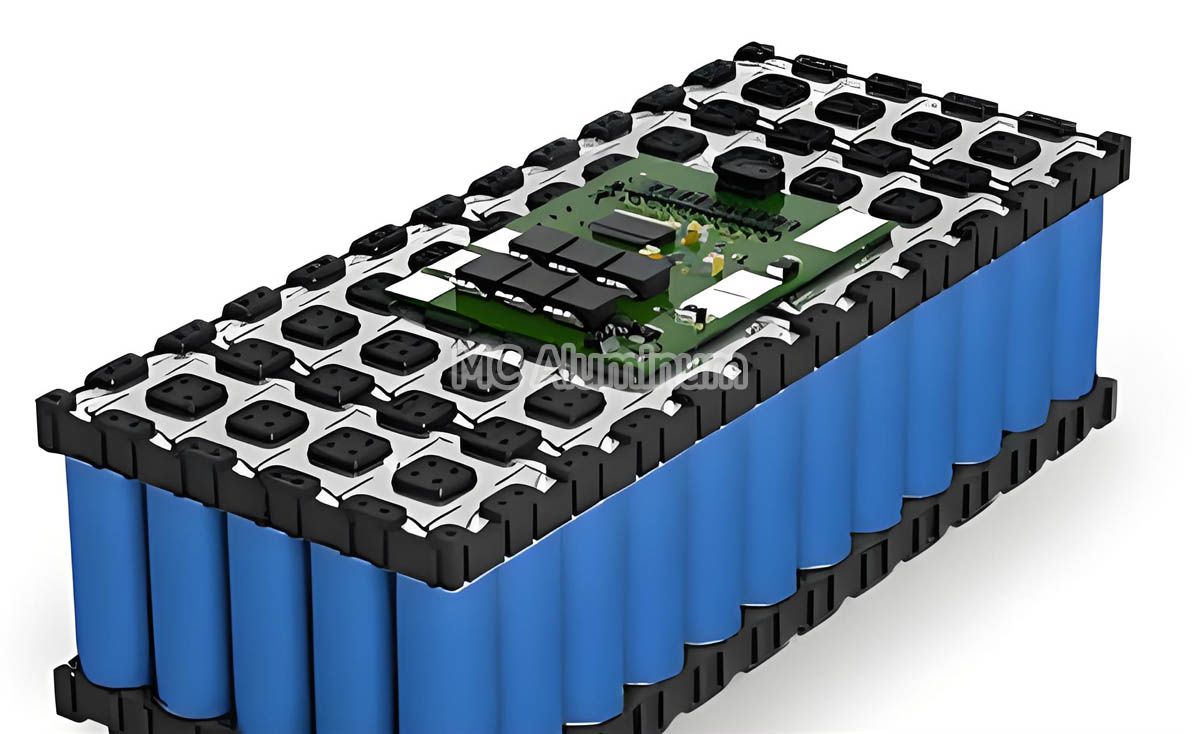
With the accelerated deployment of integrated wind, solar, and energy storage projects, demand for battery aluminum foil in energy storage applications is growing rapidly.
1060 aluminum foil with a thickness of 18–20 μm is widely used in energy storage batteries. It can achieve more than 6,000 cycles and offers strong cost-performance advantages.
3. 3C Consumer Electronics
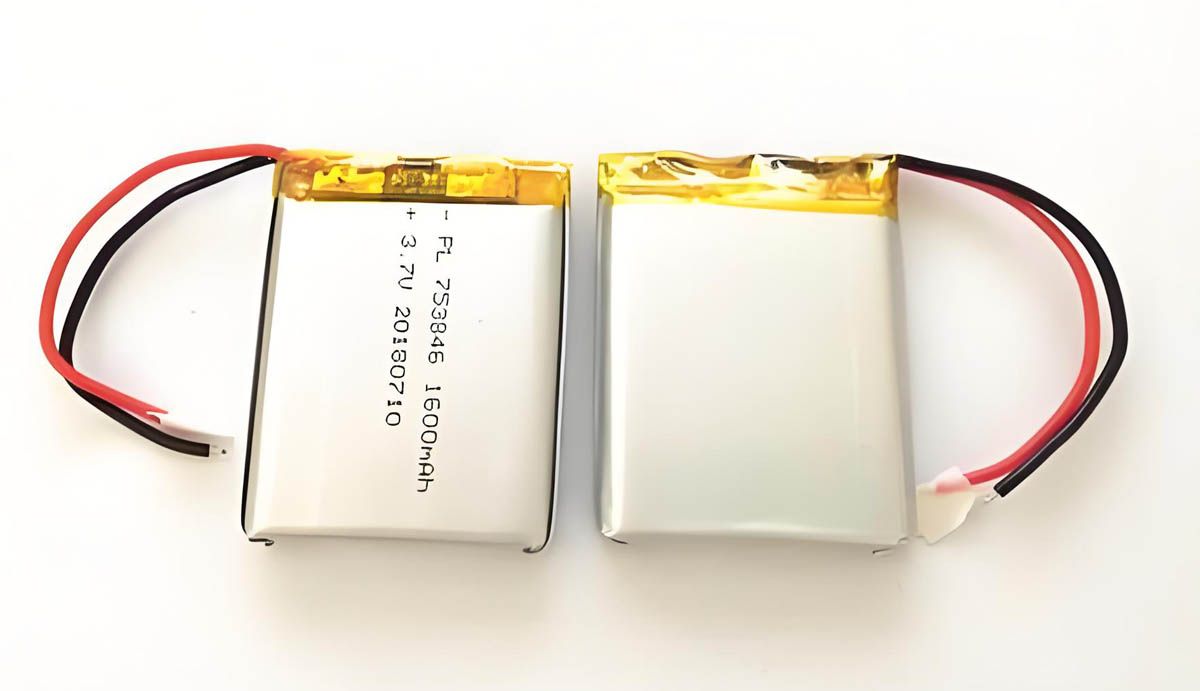
Thin, lightweight, and high-capacity batteries used in smartphones, laptops, tablets, and other consumer electronics have higher requirements for foil thickness and purity. Ultra-thin 1070 aluminum foil with a thickness of 10–12 μm is a preferred choice for this sector.
4. Sodium-Ion Batteries: The Largest Emerging Growth Market
The rapid development of sodium-ion batteries is opening a major new growth opportunity for battery-grade aluminum foil.
Unlike lithium-ion batteries, where aluminum foil is generally used only on the cathode side, sodium-ion batteries can use aluminum foil for both cathode and anode current collectors. As a result, aluminum foil consumption per GWh in sodium-ion batteries can be more than twice that of lithium-ion batteries.