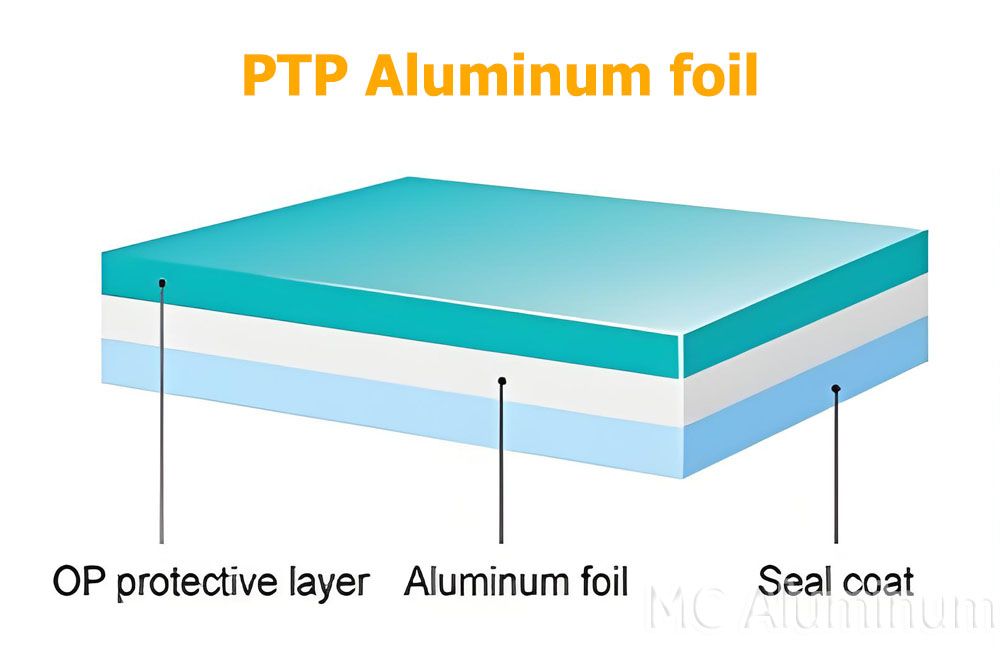
Pharmaceutical blister packaging is a pre-formed packaging system composed of either a thermoformed plastic tray with a flexible lidding material or a cold-formed tray combined with a lidding material.
The lidding material typically contains aluminum foil and is heat-sealed to the formed tray.
Aluminum foil is the only metallic material used in blister packaging. It is non-toxic, odorless, and provides excellent light protection. During use, blister foil can be easily ruptured with light pressure, allowing convenient access to medication.
8011 and 8021 aluminum alloys are widely used in pharmaceutical aluminum foil production due to their excellent ductility, formability, and barrier properties.
Common aluminum foil types used in pharmaceutical packaging include:
pharmaceutical aluminum foil, pharmaceutical PTP aluminum foil, pharmaceutical packaging PTP foil, and PTP aluminum foil.
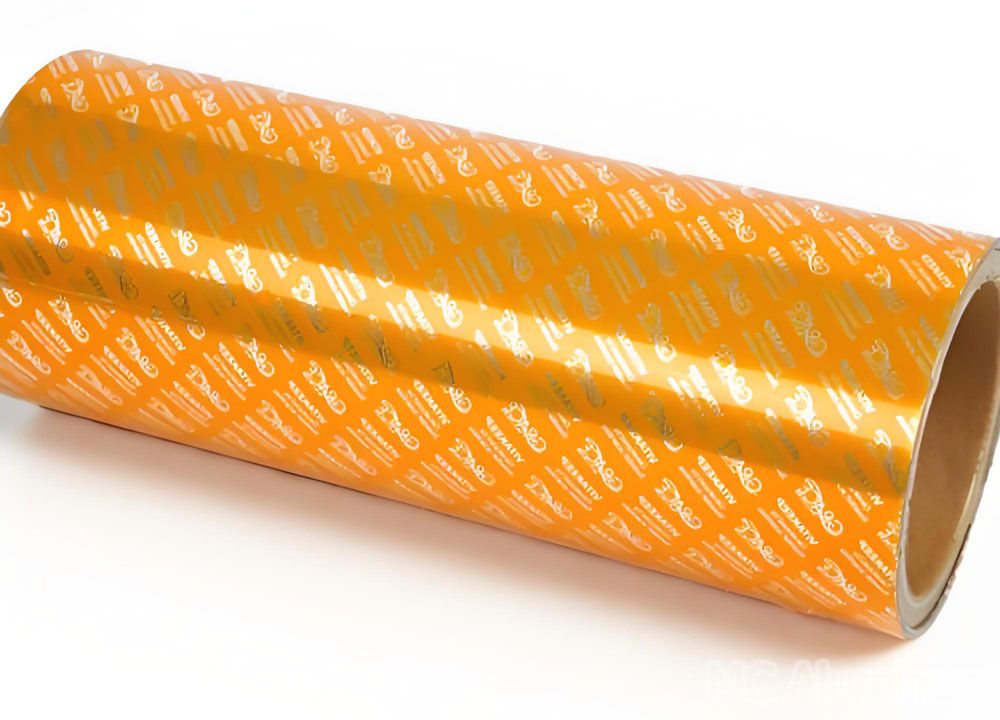
Why Is Blister Packaging So Popular in Pharmaceutical Products?
Blister packaging offers several key advantages in pharmaceutical applications:
1.Product Integrity
Many medications are sensitive to moisture, oxygen, and light, which may reduce drug efficacy. By selecting and combining appropriate blister materials, such as aluminum lidding foil-an effective barrier can be created to protect drugs from environmental degradation.
2.Physical Tamper Evidence
Blister packaging provides visible protection. Since the structure requires physical rupture of the foil to access the medication, any tampering with the product or packaging is immediately noticeable.
3.Child Protection
Blister packs are often designed in accordance with child-resistant packaging standards, reducing the risk of accidental poisoning. The tray cavities are customizable, allowing tablets to be securely seated and protected from damage during transportation and handling.
4.Dose Compliance
Blister packaging presents medication in individual unit doses, making it easier for patients to track dosage accuracy. In some cases, blister lidding is pre-printed with daily or weekly reminders, helping patients verify correct intake schedules and improve adherence.
Aluminum Foil Thickness and Packaging Types
Blister packaging is generally constructed in one of the following four formats: push-through, peelable, peel-push, and tear-open.
To meet the performance requirements of each format, aluminum lidding foils differ in flexibility/rigidity, temper, and thickness (gauge).
| Aluminum Foil Type | Temper | Thickness Range (mm) | Typical Application |
| Ultra-light gauge foil | Soft temper | 0.006-0.007 | Lightweight packaging |
| Light gauge foil | Soft temper | 0.008-0.012 | Peelable lidding |
| Aluminum strip foil | Soft temper | 0.020-0.050 | High-strength packaging |
| Blister lidding foil (PTP) | Soft / Hard temper | 0.012-0.025 | Pharmaceutical blister lidding |
| Cold forming aluminum foil | Soft temper | 0.045-0.060 | High-barrier blister packaging |
Pharmaceutical blister packaging solutions are designed by aligning foil options with both standard and customized application requirements.
Push-Through Blister Packaging
Medication is dispensed by pushing it through the lidding foil.
Hard-temper aluminum foil is commonly used to ensure sufficient puncture resistance. In some cases, higher puncture strength is applied to achieve a degree of child resistance.
Peelable Blister Packaging
Users remove the medication by peeling the aluminum foil from the plastic tray.
Foils used in peelable applications are typically thinner and laminated with paper backing or paper/PET backing to ensure smooth peeling.
Peel-Push Blister Packaging
Medication is dispensed by first peeling off the outer layer, then pushing the drug through the remaining aluminum foil.
The typical structure is paper / PET / aluminum foil / HSC (heat-seal coating).
Tear-Open Blister Packaging
Medication is accessed by tearing open the packaging.
This structure also uses multi-layer composite materials such as paper/PET/aluminum foil/HSC, providing enhanced protection and easy tearing.
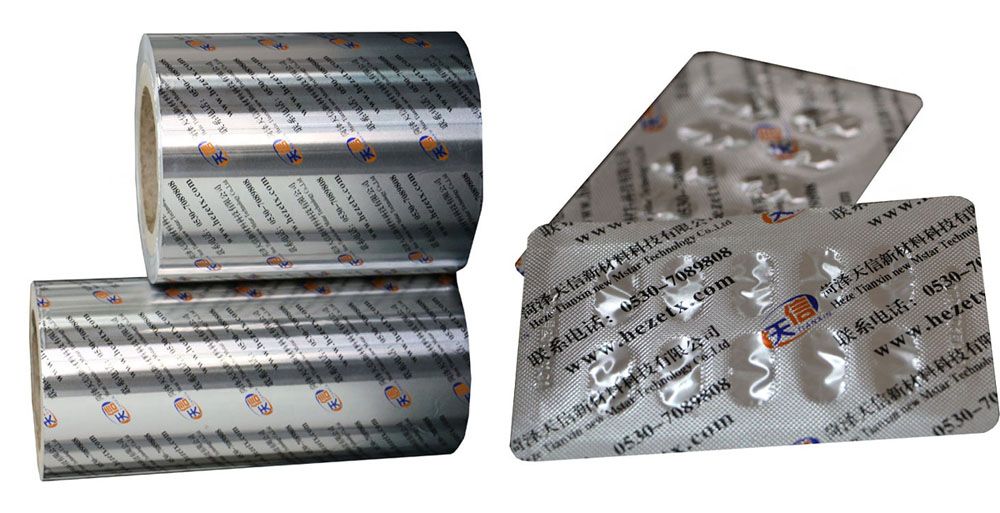
Requirements for Aluminum Foil Used in Blister Packaging
1.Thickness Precision
Pharmaceutical aluminum foil typically ranges from 0.020 mm to 0.045 mm. Strict thickness control ensures packaging consistency and reliability.
2.Printing Performance
High-precision printing with vivid colors and clear graphics is required. Foil must also support online printing on automatic blister packaging machines.
3.Moisture and Oxygen Barrier
Foil must offer excellent moisture resistance, oxygen barrier performance, sealing compatibility with forming materials, and light protection.
4.Heat Sealing and High Humidity Resistance
The protective layer must withstand high temperatures, while the bonding layer must provide strong heat-sealing performance. Compatibility with PVC, PVC/PVDC, NY/AL/PVC, and other forming films is essential.
5.Usability
Aluminum foil must allow easy opening or puncturing, enabling convenient access for consumers.
6.Convenience and Contamination Prevention
Blister packs should be easy to carry, transport, and store while effectively preventing contamination.
7.Surface Quality
Pharmaceutical aluminum foil must be smooth, clean, and free from scratches, dents, or oxidation spots.
8.High-Speed Production Compatibility
Foil rolls must be suitable for high-speed automated pharmaceutical packaging lines.
Why Choose MC Aluminum?
Our aluminum foils are designed for heat sealing with PVC, PVC/PVDC, or aluminum forming materials, widely used in packaging capsules, tablets, and pills.
1.Our aluminum foil can seal with PET, PS, PE, PP, PBT, and even glass containers.
2.We provide printable foil compatible with UV printing, flexographic printing, and gravure printing.
3.Our aluminum foil products cover a thickness range of 0.012-0.06 mm, meeting diverse pharmaceutical and market requirements.
4.We can manufacture double-sided printed foil and holographic printed foil.
5.Our PTP blister foil ensures a heat seal strength ≥ 9 N/15 mm (international standard: 7.5 N/15 mm). No cost cutting, no compromises-only honest cooperation.
6.Our PTP aluminum foil complies with GMP requirements and meets USP, EP, and ISO pharmaceutical packaging standards.