
Lithium batteries depend on highly consistent materials to achieve stable electrochemical performance, long cycle life, and efficient large-scale manufacturing. Battery aluminum foil is one of the essential materials used in lithium ion battery cells. As a manufacturer of aluminum foil for energy storage and battery applications, we produce rolled aluminum foil designed for cathode current collector use in lithium ion batteries, power batteries, and energy storage systems.
In a typical lithium ion battery, aluminum foil functions as the positive electrode current collector. It provides an electrically conductive substrate for cathode coating, supports the active material layer, and helps transfer electrons between the electrode and external circuit. The foil must therefore combine high conductivity, uniform thickness, clean surface condition, suitable mechanical strength, and reliable compatibility with electrode coating processes.
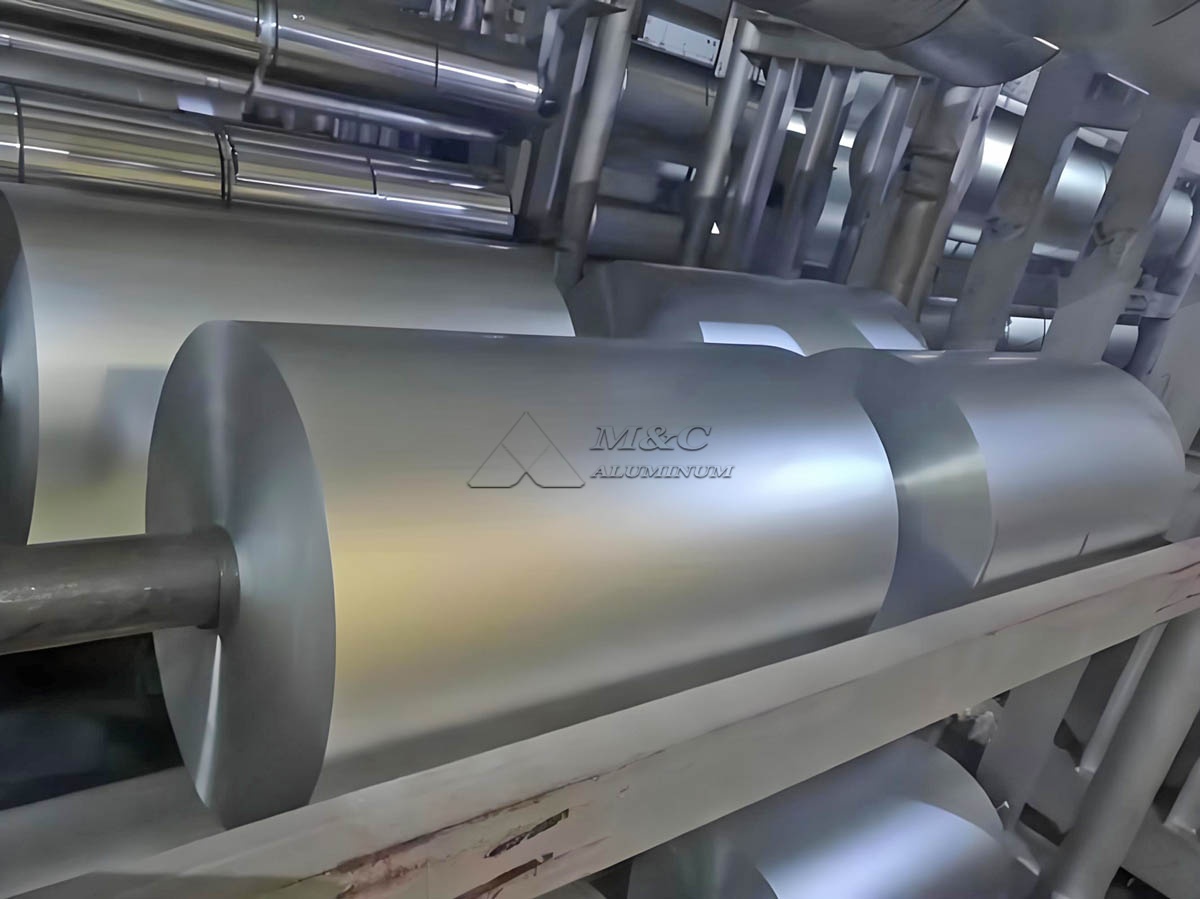
The Role of Battery Aluminum Foil in Lithium Batteries
A lithium ion battery cell generally includes a cathode, anode, separator, electrolyte, and current collectors. Aluminum foil is normally used on the cathode side, while copper foil is commonly used for the anode current collector. This material selection is based on electrochemical stability under the operating voltage range of the positive electrode.
Battery aluminum foil supports cathode materials such as lithium iron phosphate, nickel manganese cobalt oxide, nickel cobalt aluminum oxide, lithium manganese oxide, and lithium cobalt oxide. During electrode manufacturing, a cathode slurry containing active material, conductive additives, and binder is coated onto both sides of the aluminum foil. After drying, calendering, slitting, and cell assembly, the foil remains the conductive backbone of the cathode electrode.
The main functions of lithium battery aluminum foil include:
Conducting electrical current from the cathode active material.
Providing a stable substrate for electrode slurry coating.
Supporting uniform coating adhesion during drying and calendering.
Reducing internal resistance through consistent foil conductivity.
Contributing to cell weight control due to aluminum's low density.
Maintaining dimensional stability during winding, stacking, and formation.
For battery manufacturers, variations in foil thickness, flatness, surface cleanliness, pinhole level, or mechanical properties can affect coating quality and downstream electrode production efficiency. For this reason, battery foil must be produced under controlled rolling, annealing, slitting, inspection, and packaging conditions.
Why Aluminum Foil Is Used as a Cathode Current Collector
Aluminum is widely used as a cathode current collector because it offers an effective balance of conductivity, corrosion resistance, processability, and cost efficiency. In the voltage window of most lithium ion battery cathodes, aluminum maintains good electrochemical stability and does not undergo the severe corrosion behavior that would limit the use of some other conductive metals.
Compared with heavier materials, aluminum foil also helps reduce the overall mass of battery cells. This is particularly important for electric vehicle battery packs, portable electronics, and stationary energy storage projects, where energy density and transport efficiency are significant design factors.
Our battery aluminum foil is manufactured to provide stable performance in high-speed electrode coating lines. Surface condition is carefully managed to support slurry wettability and coating adhesion while avoiding excessive oil residue or contaminants that may interfere with binder performance.
Common Alloys for Battery Aluminum Foil
The most commonly used alloys for battery aluminum foil are 1235 and 1100 aluminum foil. These alloys provide high aluminum content, good electrical conductivity, and excellent rolling characteristics for thin-gauge foil production.
1235 Aluminum Foil is frequently selected for lithium battery cathode current collectors because of its high purity, stable conductivity, and suitability for thin foil rolling. It is widely used where low thickness tolerance and consistent surface quality are required.
1100 Aluminum Foil is another established material for battery foil applications. Its good formability and corrosion resistance make it suitable for cathode substrates used in a range of rechargeable battery designs.
The final alloy selection depends on battery chemistry, foil thickness, electrode design, coating method, tensile strength requirements, and the production conditions of the battery manufacturer.
Typical Technical Parameters of Battery Aluminum Foil
Battery aluminum foil specifications are customized according to cell format and electrode production requirements. The following table shows common technical ranges for lithium battery cathode current collector foil.
| Parameter | Typical Range | Manufacturing Consideration |
|---|---|---|
| Alloy | 1235, 1100 | High aluminum content supports conductivity and rolling performance |
| Temper | O, H18, customized | Selected according to coating, winding, and handling requirements |
| Thickness | 12-20 microns | Common gauges include 12, 15, 16, 18, and 20 microns |
| Width | 100-1,500 mm | Slit width is customized for electrode and cell production lines |
| Thickness tolerance | Customized by gauge and width | Tight control supports stable coating weight and electrode consistency |
| Tensile strength | Customized by temper | Balanced strength prevents breakage during coating and slitting |
| Elongation | Customized by temper | Important for winding, stamping, and electrode handling |
| Surface condition | Clean, uniform, oil-controlled | Supports slurry adhesion and minimizes coating defects |
| Pinhole control | According to customer specification | Critical for thin-gauge foil reliability |
| Coil inner diameter | 150 mm, 300 mm, 505 mm, customized | Matched to customer unwinding equipment |
| Coil weight | Customized | Determined by coating line capacity and handling requirements |
The parameters above are reference values. In production, we confirm detailed requirements with the battery manufacturer before rolling and slitting, including thickness profile, width tolerance, coil winding direction, splice policy, surface treatment requirements, and packaging method.
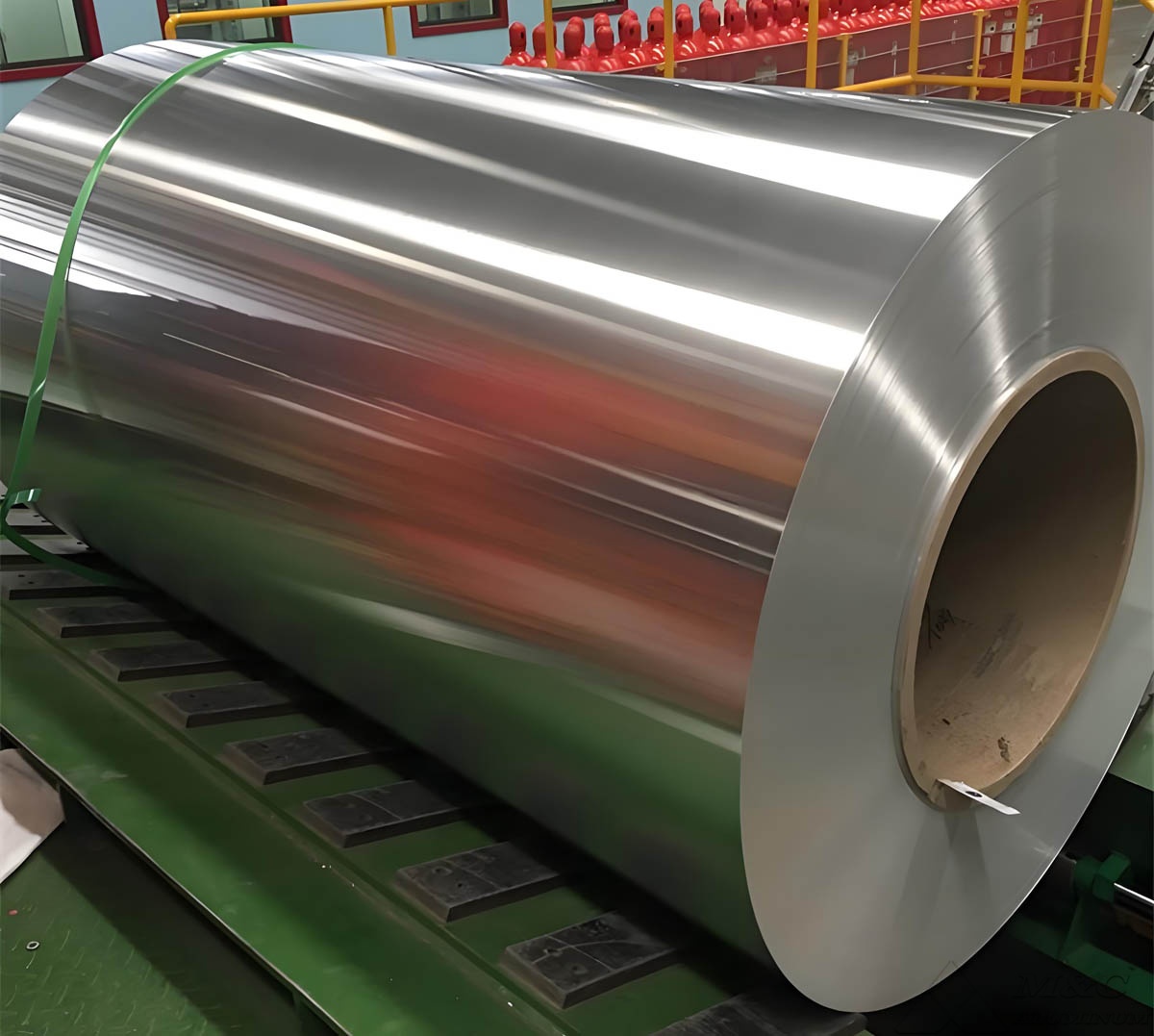
Key Quality Requirements for Lithium Battery Aluminum Foil
Battery cell manufacturing is a highly controlled process. The aluminum foil used for cathode current collectors must meet more demanding requirements than general packaging or household foil. Our production process focuses on the following quality factors.
Thickness Uniformity
Uniform foil thickness helps maintain consistent electrode coating weight across the width and length of the coil. Excessive thickness variation can affect slurry distribution, drying behavior, calendering pressure, and final electrode density. We use controlled rolling schedules and inspection procedures to manage gauge consistency.
Surface Cleanliness and Wettability
Cathode slurry must spread evenly over the foil surface. Residual rolling oil, dust, oxide particles, or surface contamination may reduce adhesion and contribute to coating defects. Controlled annealing and cleaning management are therefore important during battery aluminum foil manufacturing.
Surface Texture
The foil surface should provide suitable interaction with the cathode coating without excessive roughness or irregularity. Surface texture affects slurry wetting, binder distribution, and adhesion after drying. The required surface condition should be aligned with the customer's coating formulation and process window.
Flatness and Coil Winding Quality
Flatness is important for continuous electrode coating lines. Edge waves, center buckles, telescoping, loose winding, and uneven coil tension can reduce operating efficiency during unwinding and coating. Our coils are inspected and packed to maintain stable transport and handling performance.
Mechanical Properties
Battery foil must tolerate coating, drying, calendering, slitting, winding, and cell assembly without frequent breaks or deformation. Temper and mechanical properties are adjusted to suit the customer's processing route and target battery design.
Manufacturing Process for Battery Aluminum Foil
As a battery aluminum foil manufacturer, we control the material from aluminum input through finished coil inspection. A typical manufacturing route includes melting and casting, hot rolling where applicable, cold rolling, intermediate annealing, final rolling, slitting, inspection, and packaging.
During cold rolling, thickness is progressively reduced to the required battery foil gauge. Rolling lubrication and rolling force are controlled to achieve stable surface quality and thickness consistency. Annealing parameters are then managed to obtain the required temper, cleanliness, and mechanical properties.
After final rolling, the foil is slit into customer-specified widths. Each coil is checked for dimensions, appearance, edge quality, winding condition, and other agreed technical requirements. Packaging is designed to protect the foil from moisture, dust, mechanical damage, and deformation during export transportation.
Applications in Different Lithium Battery Types
Battery aluminum foil is used across several lithium battery segments. Although core foil requirements are similar, thickness, width, temper, and coil dimensions may vary by battery type.
Electric Vehicle Batteries
EV battery aluminum foil is used in prismatic, pouch, and cylindrical cells. These applications require high consistency because large battery packs contain many cells and operate under demanding cycling and thermal conditions. Thin foil can support higher energy density, while adequate strength is required for high-speed electrode processing.
Energy Storage Batteries
Stationary energy storage systems commonly use lithium iron phosphate battery chemistry. Aluminum foil serves as the cathode current collector and must support reliable, repeatable electrode manufacturing for long-duration cycling applications.
Consumer Electronics Batteries
Lithium batteries for smartphones, laptops, tablets, wearable devices, and portable tools often require narrow-width foil with precise slitting quality. Thin-gauge battery aluminum foil helps manufacturers optimize cell size and weight.
Power Tool and Light Mobility Batteries
Battery foil is also used in cells for power tools, electric bicycles, scooters, and other light mobility equipment. In these applications, stable current collection and reliable electrode adhesion are important for repeated charge and discharge performance.
Selecting a Battery Aluminum Foil Manufacturer
When sourcing aluminum foil for lithium batteries, buyers should evaluate more than alloy and thickness. A suitable manufacturer should understand cathode current collector requirements and provide consistent quality documentation, traceability, technical communication, and export-ready packaging.
Important sourcing considerations include:
Experience with 1235 and 1100 battery aluminum foil production.
Ability to control thin-gauge thickness and width tolerances.
Stable surface cleanliness and rolling oil management.
Appropriate temper selection for the electrode process.
Reliable slitting quality and coil winding condition.
Inspection records and batch traceability.
Packaging suitable for long-distance shipment and humidity protection.
Conclusion
Battery aluminum foil is a critical cathode current collector material in lithium ion batteries. Its performance directly influences electrode coating quality, internal resistance, production efficiency, and battery consistency. High-purity 1235 aluminum foil and 1100 aluminum foil are widely used because they provide the conductivity, formability, and process stability required for modern battery manufacturing.
As a manufacturer, we supply lithium battery aluminum foil in customized thicknesses, widths, tempers, and coil configurations. By controlling rolling accuracy, surface condition, mechanical properties, and packaging quality, we support battery producers in developing stable and efficient cathode electrode processes.