
As a manufacturer of rolled aluminum foil, we produce 8011 battery aluminum foil for customers requiring stable material performance, controlled thickness, clean surfaces, and reliable coil consistency. This foil is used in selected lithium-ion battery applications, including electrode current collector structures and related battery component processing where lightweight aluminum foil is required.
Battery manufacturing places strict requirements on foil quality. Gauge variation, pinholes, rolling oil residue, edge condition, coil tension, and surface wettability can all influence downstream coating, calendaring, slitting, and cell assembly. Our production process for 8011 aluminum foil is designed around these practical requirements, from aluminum melt control through rolling, annealing, inspection, and final packing.
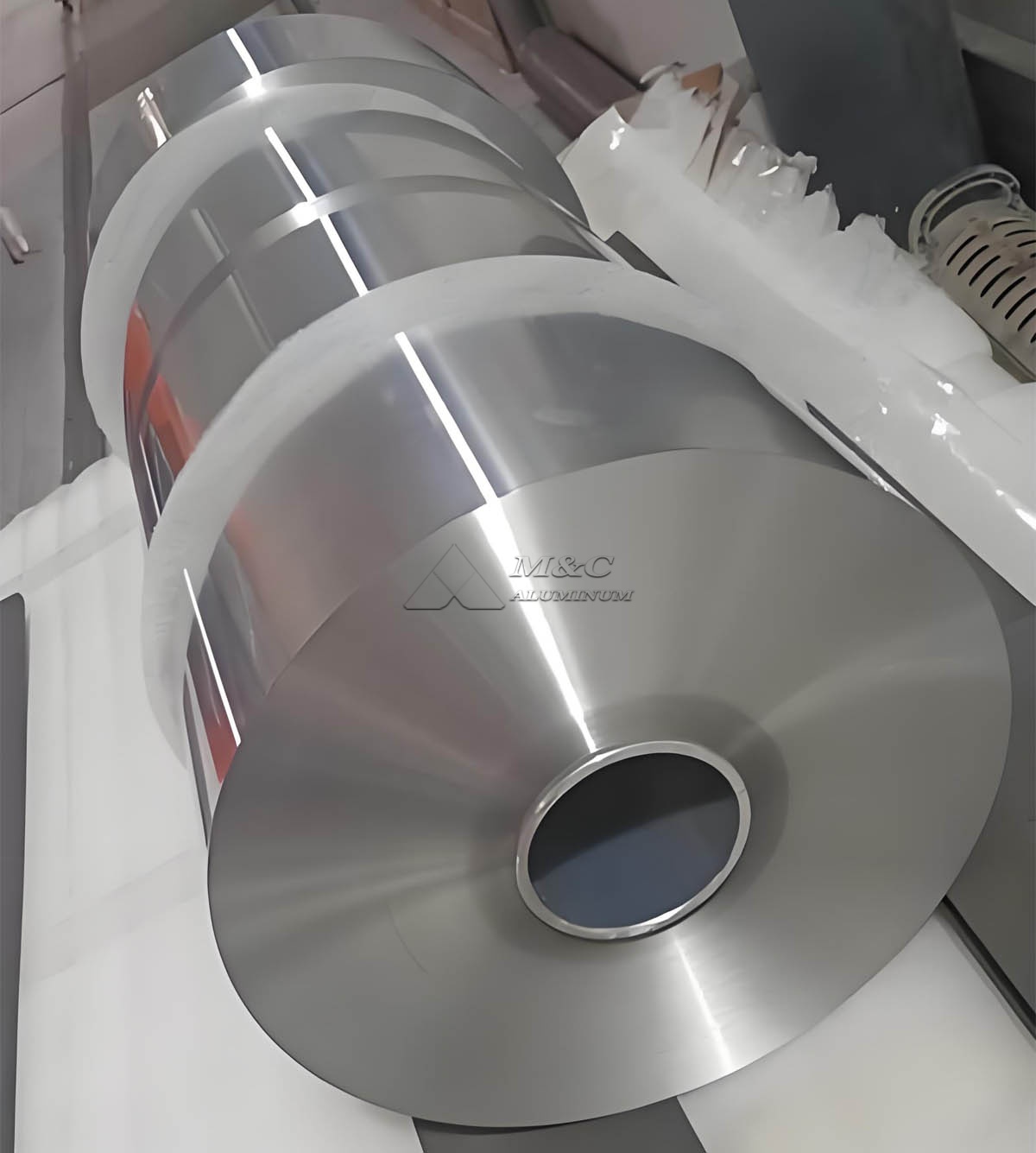
What Is 8011 Battery Aluminum Foil?
8011 battery aluminum foil is an aluminum alloy foil based on the Al-Fe-Si system. Compared with pure aluminum foil grades, 8011 aluminum foil offers useful strength, forming stability, and processing consistency. It can be supplied in soft temper conditions for battery-related conversion processes, depending on the customer's technical specification.
In battery production, aluminum foil commonly functions as a cathode current collector in lithium-ion cells. The foil serves as a conductive substrate for active material coating and must maintain stable surface characteristics throughout coating and drying operations. The final alloy selection should be determined according to electrode design, coating formulation, electrical requirements, foil thickness, and the customer's validation standards.
Our 8011 Aluminum Foil production program includes battery-related foil specifications as well as foil for packaging, insulation, and industrial conversion. For battery applications, we apply tighter controls to dimensions, surface condition, and coil construction.
Performance Advantages of 8011 Battery Aluminum Foil
Good corrosion resistance: Capable of withstanding the complex chemical environment inside the battery, helping to enhance the stability of the current collector.
Excellent ductility and processability: Suitable for rolling into thin-gauge foil, facilitating subsequent coating, slitting, and stamping operations.
Good electrical conductivity: Functions effectively as a battery current collector material, ensuring stable current transmission.
Balanced strength and flexibility: Offers good tensile strength and tear resistance, making it suitable for high-speed processing during battery manufacturing.
Consistent surface quality: Provides superior surface cleanliness and flatness, facilitating the uniform application of active materials.
Lightweight advantage: Aluminum's low density helps reduce the overall weight of the battery and allows for greater flexibility in energy density design.
Suitable for mass production: 8011 aluminum foil benefits from mature processing technology; thickness, width, temper, and surface specifications can be customized according to battery type.
Key Performance Requirements for Battery Foil
The quality of battery aluminum foil directly affects coating uniformity and production efficiency. We focus on the following factors during manufacturing and final inspection.
Thickness Accuracy
Thin-gauge battery aluminum foil requires consistent thickness across the strip width and along the coil length. Excessive variation can affect coating weight control and electrode consistency. We use online gauge monitoring and process sampling to maintain the agreed tolerance range.
Surface Cleanliness
A clean foil surface supports stable adhesion between the aluminum substrate and the electrode coating. Rolling oil residue must be controlled through proper annealing and process management. Where required, we can supply foil suitable for further surface treatment or coating preparation.
Surface Uniformity
The surface should be uniform, free from severe scratches, dents, oil marks, oxidation spots, edge cracks, and other defects that may interfere with electrode manufacturing. Our inspection personnel review coil appearance and surface quality before shipment.
Mechanical Stability
Battery foil must withstand unwinding, coating, drying, calendering, and slitting without frequent breakage. We control temper and tensile properties to support stable processing on automated battery production lines.
Coil Geometry and Edge Quality
Good coil alignment, controlled telescoping, clean edges, and appropriate winding tension are essential for high-speed coating and slitting. We manufacture coils according to the customer's equipment requirements, including specified inner diameter, outer diameter, width, and coil weight.
Technical Parameters of 8011 Battery Aluminum Foil
The following table shows typical manufacturing ranges. Final specifications are confirmed based on the customer's battery application, processing route, and quality agreement.
| Item | Typical Specification | Remarks |
|---|---|---|
| Alloy | 8011 | Al-Fe-Si aluminum alloy |
| Temper | O, H18, or as agreed | Selected according to downstream processing |
| Thickness | 0.010 mm to 0.030 mm | Common battery-related range, subject to application |
| Thickness tolerance | As agreed | Controlled by width, gauge, and order specification |
| Width | 100 mm to 1,650 mm | Slit coils available |
| Width tolerance | As agreed | Based on slitting requirement |
| Coil inner diameter | 150 mm, 300 mm, 505 mm, or customized | Compatible with customer equipment |
| Coil outer diameter | Up to 1,500 mm | Depending on thickness and coil weight |
| Coil weight | 100 kg to 8,000 kg | Customized packing weight available |
| Surface | Mill finish, clean and uniform | No severe rolling defects |
| Wettability | According to customer requirement | Important for coating operations |
| Pinholes | Controlled according to thickness and specification | Inspected under applicable standards |
| Packaging | Export seaworthy packing | Moisture protection and pallet support |
Our Manufacturing Process
Producing aluminum foil for battery applications requires control across every stage of the rolling process. As a factory, we manage production internally to ensure that the material remains traceable from raw material to finished coil.
1. Melting and Casting
We begin with controlled aluminum raw materials and alloying additions to produce 8011 alloy slabs with stable chemical composition. Melt treatment and filtration help reduce inclusions that could affect foil rolling performance and final surface quality.
2. Hot Rolling and Cold Rolling
The cast slab is hot rolled and then cold rolled through multiple passes to reach the required intermediate gauge. Rolling schedules are adjusted according to the target thickness, temper, width, and finished coil properties. Flatness and strip profile are monitored throughout the process.
3. Foil Rolling
During foil rolling, we reduce the material to the specified final thickness. This stage requires careful management of rolling force, lubricant condition, tension, and strip shape. These controls help us achieve stable gauge and a uniform foil surface.
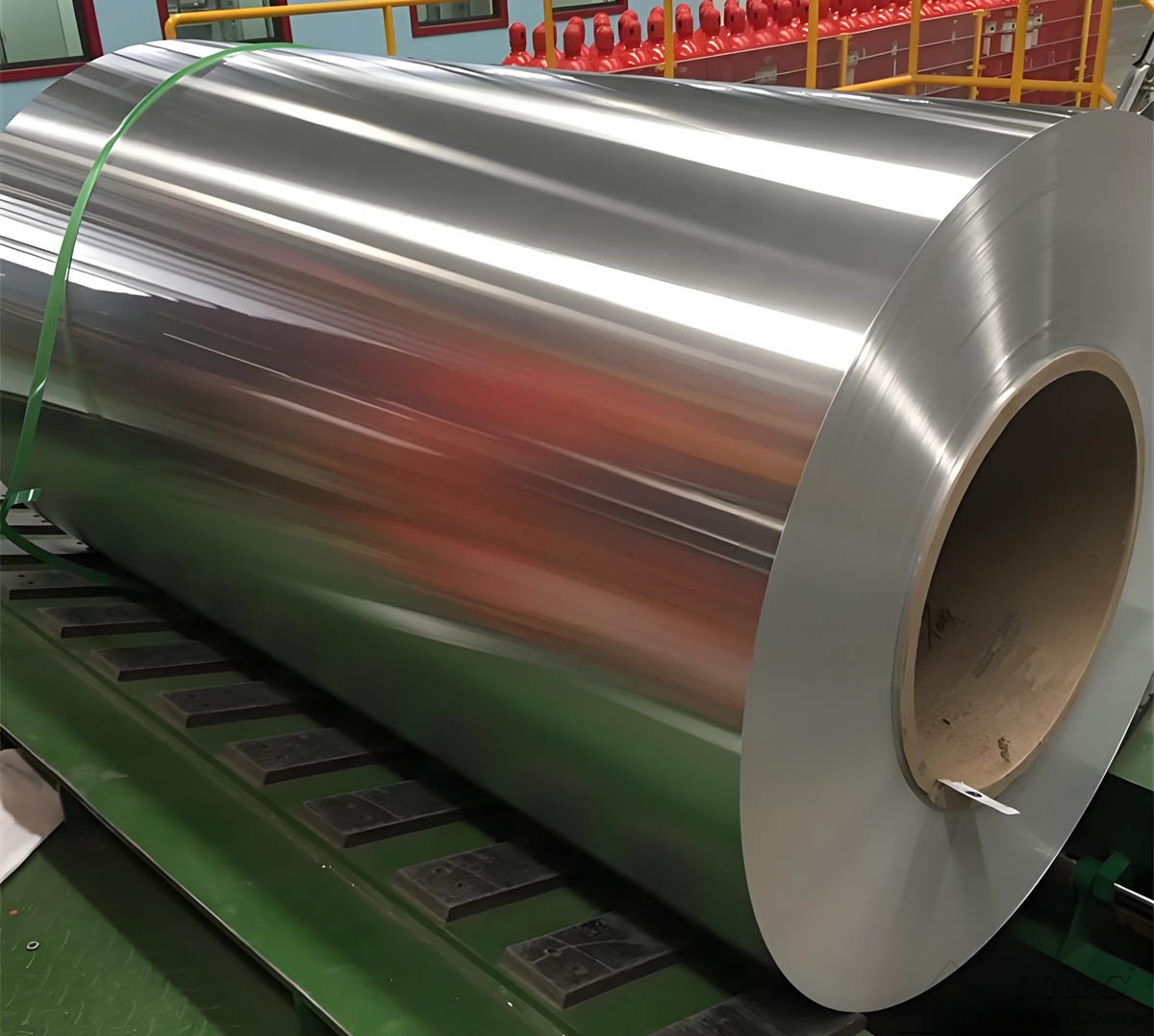
4. Annealing and Surface Control
Annealing is used to achieve the required temper and to reduce residual rolling oil. Temperature control, furnace atmosphere, and annealing time are managed according to the final material specification. For battery aluminum foil, this step is particularly important because surface cleanliness can influence the customer's coating process.
5. Slitting and Final Inspection
After finishing, master coils can be slit into narrow coils according to the customer's width requirement. We inspect thickness, width, coil geometry, appearance, and packaging condition before dispatch. Test reports can be provided when specified in the purchase order.
Quality Control for 8011 Battery Aluminum Foil
Our quality control system combines process monitoring with finished-product inspection. We understand that battery manufacturers need consistent foil performance from coil to coil, especially for high-volume electrode production.
Our routine inspection items may include:
Chemical composition verification.
Thickness measurement across strip width.
Width and edge condition inspection.
Surface appearance inspection.
Pinholes inspection where applicable.
Tensile strength and elongation testing.
Coil inner diameter, outer diameter, and winding condition checks.
Residual oil and wettability evaluation when required.
Packing inspection before container loading.
For customers with defined battery foil standards, we can align production inspection with agreed technical documents, samples, and acceptance criteria. We also maintain batch identification to support material traceability.
Applications of 8011 Aluminum Foil in Battery Production
8011 battery aluminum foil can be considered for battery-related applications that require a thin, conductive, and processable aluminum substrate. Common uses may include cathode current collector structures, electrode processing trials, and battery component development programs.
The suitability of 8011 foil depends on the battery chemistry and production technology. Customers should evaluate the alloy against their requirements for conductivity, corrosion resistance, coating adhesion, mechanical behavior, and electrochemical performance. Our engineering team can discuss available dimensions, temper options, coil formats, and inspection requirements before production.
For projects that use a different aluminum alloy for a specific process requirement, our broader Products range includes multiple foil grades and industrial aluminum materials for evaluation.
Packaging and Export Delivery
Battery aluminum foil must be protected from moisture, dust, deformation, and transport damage. We use export-oriented packaging methods suitable for sea, rail, and road transportation. Each coil is protected with inner wrapping, outer moisture-resistant material, edge protection, and reinforced pallet or wooden support where needed.
Standard export packing can include the following:
Protective paper or film between coil layers where specified.
Moisture-resistant inner wrapping.
Strong outer packaging for transport protection.
Wooden pallets or fumigated wooden cases when required.
Coil labels showing alloy, temper, dimensions, coil number, net weight, and batch information.
Before shipment, we confirm packaging details, container loading method, delivery marks, and documentation requirements with the customer. This helps ensure that the 8011 battery aluminum foil arrives in a condition suitable for direct inspection and processing.
Work With a Battery Aluminum Foil Manufacturer
Selecting battery aluminum foil is not only a matter of choosing thickness and width. It requires coordination between alloy selection, temper, surface requirements, coil configuration, processing equipment, and quality verification. As a direct manufacturer, we support customers with stable production planning, technical communication, sample preparation, and export packaging.
For an inquiry, please provide the required alloy, thickness, width, temper, coil inner diameter, coil weight, surface condition, and intended battery application. With these details, we can recommend an appropriate 8011 battery aluminum foil specification and prepare a manufacturing quotation based on your actual requirements.